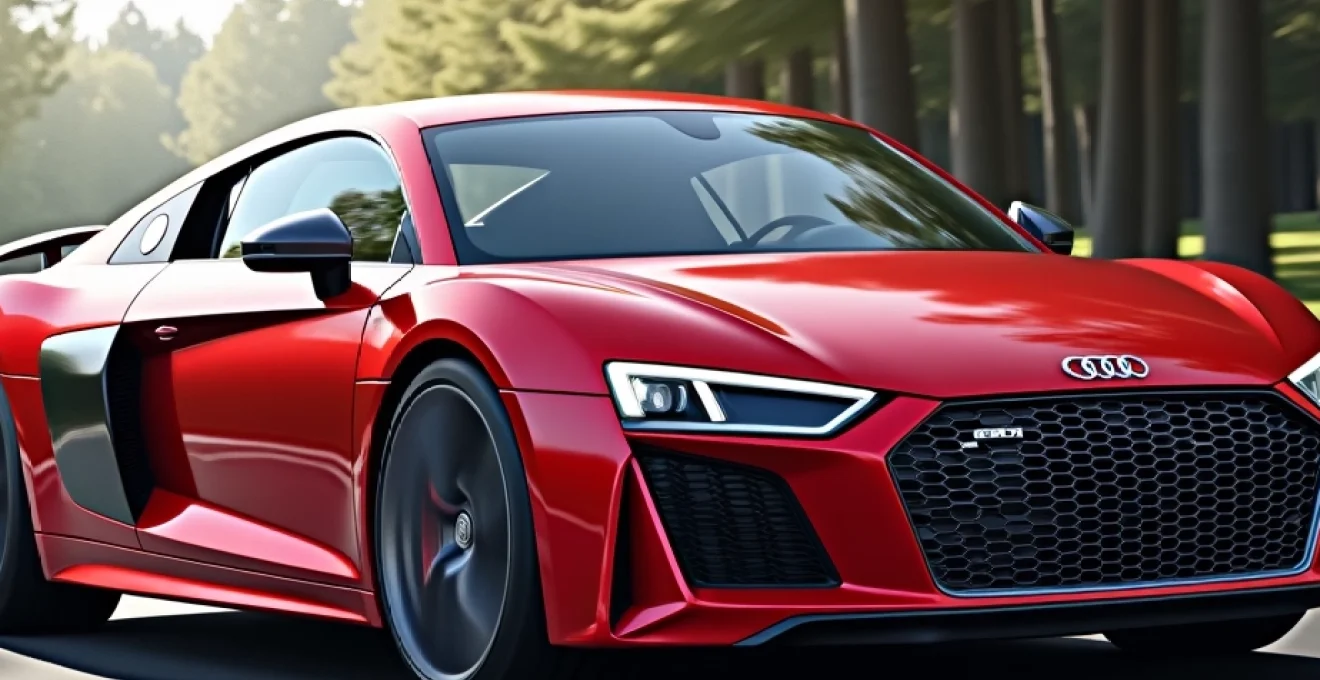
The Audi R8 Coupé 2016 represents a pivotal moment in the German manufacturer’s supercar evolution, combining decades of motorsport heritage with cutting-edge automotive technology. This second-generation model marked a significant departure from its predecessor, introducing enhanced performance metrics and refined aesthetics that positioned it firmly within the premium sports car segment. The 2016 model year brought substantial improvements across all key areas, from the naturally aspirated V10 engine to the advanced quattro all-wheel drive system. For potential buyers seeking a comprehensive understanding of this remarkable machine, examining its technical specifications, market positioning, and ownership implications becomes essential to making an informed purchasing decision.
Audi R8 coupé 2016 engine specifications and performance metrics
V10 FSI naturally aspirated engine technical analysis
The heart of the 2016 R8 Coupé lies in its naturally aspirated 5.2-litre V10 FSI engine, producing an impressive 540 horsepower at 7,800 rpm and 540 Nm of torque at 6,500 rpm. This powerplant represents the culmination of Audi’s atmospheric engine development, delivering power characteristics that distinguish it from turbocharged alternatives. The engine’s high-revving nature creates a distinctive soundtrack that enthusiasts particularly appreciate, whilst the immediate throttle response provides an engaging driving experience that modern forced-induction engines often struggle to replicate.
The FSI direct injection system operates in conjunction with multi-point fuel injection, optimising combustion efficiency across the entire rev range. This dual-injection approach allows the engine to meet stringent emissions regulations whilst maintaining performance output. The 10-cylinder configuration provides exceptional smoothness compared to V8 alternatives, with the firing order contributing to reduced vibration levels throughout the rev range. Peak power delivery occurs at 7,800 rpm, encouraging drivers to explore the engine’s full potential whilst benefiting from strong mid-range torque production.
Quattro All-Wheel drive system configuration
The 2016 R8 Coupé incorporates Audi’s latest-generation quattro all-wheel drive technology, featuring a rear-biased torque distribution that enhances dynamic handling characteristics. Under normal driving conditions, approximately 30% of torque flows to the front axle, with the remaining 70% directed to the rear wheels. This configuration provides the balanced handling dynamics expected from a mid-engined supercar whilst maintaining the traction advantages that quattro systems deliver in challenging conditions.
The system’s ability to transfer up to 100% of available torque to either axle ensures optimal grip utilisation across varying road surfaces. Electronic control systems monitor wheel speed, steering angle, and throttle position to determine the ideal torque distribution in real-time. This technology proves particularly beneficial during aggressive acceleration phases, where the system prevents wheelspin whilst maximising forward momentum. The integration with the vehicle’s electronic stability programme creates a comprehensive chassis management system that enhances both performance and safety.
Seven-speed S tronic Dual-Clutch transmission performance
Audi equips the 2016 R8 Coupé with a seven-speed S tronic dual-clutch transmission, representing a significant advancement over the previous generation’s R tronic system. The dual-clutch configuration enables virtually seamless gear changes, with pre-selected ratios eliminating the power interruption characteristic of traditional automatic transmissions. Shift speeds reach as low as 100 milliseconds in Race mode, contributing to the vehicle’s impressive acceleration figures whilst maintaining smooth operation during everyday driving scenarios.
The transmission offers multiple operating modes, including Comfort, Auto, Dynamic, and Individual settings that modify shift patterns and response characteristics. Launch Control functionality optimises acceleration from standstill, managing engine speed, clutch engagement, and traction systems to deliver maximum performance. The system’s ability to downshift multiple gears simultaneously during aggressive braking scenarios provides enhanced engine braking whilst positioning the transmission in the optimal ratio for corner exit acceleration.
Magnetic ride suspension technology implementation
The optional Magnetic Ride adaptive damper system represents one of the most sophisticated chassis technologies available in the 2016 R8 Coupé. This system utilises magnetorheological fluid within each damper, with electromagnetic fields altering the fluid’s viscosity up to 1,000 times per second. The result is unprecedented adaptability, allowing the suspension to respond to changing road conditions and driving demands with remarkable precision.
Three distinct modes – Comfort, Auto, and Dynamic – provide varying suspension characteristics to match driver preferences and road conditions. Comfort mode prioritises ride quality, reducing harshness over imperfect surfaces whilst maintaining adequate body control. Dynamic mode stiffens the dampers significantly, reducing body roll and improving handling precision during spirited driving. The system’s ability to individually adjust each corner ensures optimal contact patch management whilst adapting to weight transfer during acceleration, braking, and cornering phases.
Exterior design elements and aerodynamic package assessment
Audi singleframe grille and LED matrix headlight integration
The 2016 R8 Coupé’s exterior design centres around Audi’s distinctive Singleframe grille, which has been optimised for both aesthetic appeal and functional airflow management. The hexagonal grille configuration directs cooling air to the front-mounted radiators whilst creating a visual focal point that establishes the vehicle’s premium positioning. The integration of LED Matrix headlight technology provides exceptional illumination performance whilst contributing to the model’s distinctive nighttime signature.
LED Matrix headlights incorporate multiple individual LED elements that can be controlled independently, enabling the system to adapt beam patterns to oncoming traffic and road conditions. This technology prevents dazzling other road users whilst maintaining maximum illumination for the driver. The headlight units also feature dynamic turn signals that sweep across the housing, providing clear indication of directional changes whilst enhancing the vehicle’s technological sophistication. Daytime running lights create an unmistakable visual signature that immediately identifies the R8 from considerable distances.
Carbon fibre body panel construction and weight distribution
Extensive use of carbon fibre reinforced plastic (CFRP) throughout the 2016 R8 Coupé’s construction contributes significantly to weight reduction and structural rigidity. The side blades, rear wing, and various aerodynamic elements utilise carbon fibre construction, reducing overall kerb weight whilst providing superior strength-to-weight ratios compared to traditional materials. This approach enables engineers to position mass closer to the vehicle’s centre of gravity, improving handling characteristics and reducing polar moment of inertia.
The carbon fibre construction extends beyond aesthetic elements to include structural components that contribute to the vehicle’s impressive torsional rigidity. Weight distribution achieves a near-ideal 42:58 front-to-rear ratio, providing balanced handling characteristics whilst accommodating the mid-mounted engine configuration. The lightweight construction philosophy results in a total kerb weight of 1,720 kg, impressive for a vehicle offering such comprehensive equipment levels and structural integrity.
Side blade ventilation system and cooling efficiency
The R8’s distinctive side blades serve both aesthetic and functional purposes, channelling cooling air to the mid-mounted engine whilst creating the model’s signature visual element. These carefully sculpted openings direct airflow through dedicated ducts that feed the engine bay’s heat exchangers, ensuring optimal operating temperatures even during sustained high-performance driving. The blade design creates a visual link to Audi’s motorsport heritage whilst providing practical cooling benefits that support the engine’s power output.
Air intake positioning behind the doors captures clean, undisturbed airflow that maximises cooling efficiency without compromising aerodynamic performance. The internal ducting system features carefully calculated cross-sectional areas that optimise air velocity and volume flow rates. This engineering approach ensures adequate cooling capacity whilst minimising aerodynamic drag, contributing to both performance and fuel efficiency metrics. The integration of these functional elements within the overall design demonstrates Audi’s ability to balance aesthetic appeal with engineering requirements.
Rear diffuser design and active aerodynamics components
The rear diffuser configuration plays a crucial role in the R8 Coupé’s aerodynamic performance, managing airflow beneath the vehicle whilst generating beneficial downforce characteristics. The carefully contoured diffuser channels accelerate air as it exits from beneath the car, creating a low-pressure zone that contributes to overall aerodynamic stability. This design approach reduces lift forces at high speeds whilst minimising drag penalties that could compromise straight-line performance.
Active aerodynamic elements include a deployable rear spoiler that extends at predetermined speeds to enhance high-speed stability. The spoiler’s deployment timing and angle are calibrated to provide optimal downforce generation whilst avoiding unnecessary drag during normal driving conditions. The system automatically retracts the spoiler when speeds decrease, maintaining the vehicle’s clean aesthetic whilst preserving fuel efficiency. Integration with the vehicle’s drive mode selection allows drivers to manually control spoiler deployment when track conditions demand maximum aerodynamic grip.
Interior technology and Driver-Focused cockpit features
The 2016 R8 Coupé’s interior represents a masterful blend of luxury appointments and performance-focused functionality, creating an environment that supports both everyday usability and track-oriented driving. The cockpit layout prioritises driver engagement whilst incorporating advanced technology systems that enhance the ownership experience. Premium materials throughout the cabin include fine Nappa leather, Alcantara upholstery options, and carbon fibre trim elements that reinforce the vehicle’s sporting credentials.
The Virtual Cockpit system replaces traditional analogue instruments with a high-resolution 12.3-inch TFT display that provides comprehensive vehicle information in multiple viewing modes. Sport mode emphasises the rev counter display, creating a large central tachometer that enhances the driving experience during performance-focused scenarios. The system integrates navigation mapping directly within the instrument cluster, reducing the need to reference separate displays whilst maintaining situational awareness.
Ergonomic considerations include perfectly positioned pedals, steering wheel controls, and gear selector placement that enable drivers to maintain optimal positioning during spirited driving. The seats feature extensive adjustment ranges with optional memory functions that accommodate varying driver preferences. Climate control systems maintain cabin comfort without compromising performance, with separate temperature zones allowing passenger preferences that differ from driver settings. The sound system delivers exceptional audio quality that complements the engine’s natural soundtrack without overwhelming the driving experience.
The interior design philosophy centres around creating an environment that enhances driver connection with the vehicle whilst providing the luxury appointments expected from a premium supercar.
Storage solutions throughout the cabin acknowledge the practical requirements of supercar ownership, with carefully designed compartments that secure personal items during dynamic driving. The front luggage compartment provides 112 litres of storage capacity, sufficient for weekend luggage whilst maintaining the vehicle’s mid-engine configuration. Door panel storage and centre console compartments offer convenient locations for essential items without cluttering the cockpit’s clean aesthetic.
Market positioning and competitor analysis framework
Mclaren 570S performance comparison metrics
The McLaren 570S presents the most direct competitor to the 2016 R8 Coupé, offering similar performance capabilities through a different engineering approach. McLaren’s 3.8-litre twin-turbocharged V8 produces 562 horsepower, providing a slight power advantage over the R8’s naturally aspirated configuration. However, the torque delivery characteristics differ significantly, with the McLaren’s forced induction providing earlier peak torque arrival compared to the R8’s high-revving power delivery.
Acceleration performance between the two models remains closely matched, with both achieving 0-100 km/h times in the 3.5-second range. The McLaren’s lighter kerb weight of approximately 1,440 kg provides advantages in power-to-weight ratio, whilst the R8’s quattro system offers superior traction in varying conditions. Pricing positions the 570S slightly below the R8 in most markets, though options and customisation can significantly affect final transaction values. The choice between these models often comes down to personal preference regarding engine character and brand positioning rather than outright performance capabilities.
Porsche 911 turbo S pricing strategy analysis
Porsche’s 911 Turbo S occupies a unique position within the supercar segment, offering comparable performance to the R8 Coupé through a different packaging approach. The rear-engine configuration and extensive turbocharging create distinct driving characteristics that appeal to specific buyer preferences. Pricing typically positions the Turbo S at a premium over the R8, though the Porsche’s higher production volumes often result in better residual value performance.
The 911’s practicality advantages include rear seating accommodation and superior luggage capacity, making it more suitable for buyers seeking a single vehicle solution. However, the R8’s mid-engine layout provides handling characteristics that many enthusiasts prefer for track-focused applications. Market positioning sees the Porsche appealing to buyers prioritising daily usability, whilst the R8 attracts those seeking a more exotic ownership experience. Both models offer extensive customisation options that can significantly influence final pricing and specification levels.
Ferrari 488 GTB market segment positioning
The Ferrari 488 GTB represents the premium tier within this competitive segment, commanding pricing premiums that reflect the brand’s racing heritage and exclusivity positioning. Ferrari’s twin-turbocharged V8 produces 661 horsepower, providing significant performance advantages over the R8’s naturally aspirated configuration. However, the Italian manufacturer’s limited production volumes and extensive waiting lists create different ownership dynamics compared to the more accessible Audi model.
Brand prestige considerations often influence buyer decisions within this segment, with Ferrari’s motorsport heritage and exclusivity appealing to collectors and enthusiasts seeking maximum brand recognition. The R8’s positioning emphasises technological sophistication and everyday usability, attracting buyers who prioritise driving enjoyment over social positioning. Maintenance costs and parts availability favour the Audi significantly, with Ferrari ownership requiring greater financial commitment and dealer network dependency. Market demand patterns show Ferrari maintaining stronger residual values, though this advantage comes with significantly higher entry costs and ongoing ownership expenses.
Ownership cost analysis and depreciation forecasting
Annual maintenance schedule and authorised service costs
Audi’s maintenance requirements for the 2016 R8 Coupé follow a comprehensive schedule designed to preserve performance whilst ensuring reliability throughout the ownership experience. Annual service intervals include engine oil changes utilising high-performance synthetic lubricants specifically formulated for the high-revving V10 engine. These services typically cost between £800-£1,200 depending on regional labour rates and additional items requiring attention during each visit.
Major service intervals occur every two years or 20,000 kilometres, incorporating comprehensive inspections of all drivetrain components, brake system evaluation, and software updates for electronic systems. These services range from £2,000-£3,500 depending on required component replacements and regional pricing variations. The dual-clutch transmission requires specialised service procedures every 60,000 kilometres, with costs typically reaching £1,500-£2,000 including fluid replacement and clutch pack inspection.
Proper maintenance scheduling proves essential for preserving both performance capabilities and residual value positioning within the competitive supercar marketplace.
Tyre replacement represents a significant ongoing cost, with high-performance compounds lasting approximately 10,000-15,000 kilometres under normal driving conditions. Track usage dramatically reduces tyre life, with replacement sets costing £2,000-£3,000 depending on specification and brand selection. Brake component replacement varies based on driving style, with track-focused owners requiring pad and disc replacement more frequently than those using the vehicle primarily for road driving.
Insurance group classification and premium calculations
Insurance classification for the 2016 R8 Coupé typically places it within the highest risk groups due to its performance capabilities, repair costs, and theft susceptibility. Annual premiums vary significantly based on driver age, experience, location, and usage patterns, with comprehensive coverage often exceeding £5,000 for younger drivers or those without extensive supercar experience. Mature drivers with clean records and limited annual mileage may achieve premiums in the £2,000-£3,000 range.
Agreed value policies provide optimal protection for owners concerned about depreciation and market value fluctuations. These policies require professional appraisals to establish current market values, with premiums calculated accordingly. Modifications and customisation can significantly impact insurance costs, with performance enhancements potentially voiding coverage if not properly declared and approved. Track day usage requires separate coverage or policy endorsements, as standard policies typically exclude competitive or timed driving events.
Residual value projections and market demand trends
Depreciation patterns for the 2016 R8 Coupé demonstrate relatively strong residual value performance compared to many luxury vehicles, though significant value reduction occurs within the first three years of ownership. Initial depreciation typically reaches 30-40% by the third year, with subsequent value decline moderating as the vehicle approaches classic status. Market demand remains strong for well-maintained examples with comprehensive service histories and reasonable mileage accumulation.
Limited production runs and special edition variants demonstrate stronger value retention, with specific colours and option combinations commanding premium pricing in secondary markets. Collector interest in naturally aspirated supercars continues growing as manufacturers transition to hybrid and electric powertrains, potentially supporting long-term value appreciation for well-preserved examples. Geographic market variations influence pricing significantly, with certain regions showing stronger demand patterns that support higher residual values.
Genuine audi parts availability and replacement costs
Genuine parts availability for the 2016 R8 Coupé remains excellent through Audi’s global dealer network, though costs reflect the vehicle’s premium positioning within the manufacturer’s lineup. Engine components utilise shared architecture with Lamborghini models, ensuring continued availability despite the R8’s production conclusion. Brake components, suspension elements, and routine service items maintain ready availability with typical delivery times ranging from 24-48 hours for common items to several weeks for specialised components.
Carbon fibre body panels represent the highest replacement costs, with individual side blades costing £3,000-£5,000 depending on finish specifications. Engine components command premium pricing, with major internal parts reaching £8,000-£15,000 for complete assemblies. The dual-clutch transmission requires specialised components that typically cost £2,000-£4,000 for complete clutch pack replacement. Electronic components including control modules and sensors range from £500-£2,500 depending on complexity and integration requirements.
Alternative parts sourcing through independent specialists can provide cost savings of 20-40% compared to genuine Audi components, though warranty implications require careful consideration. Performance aftermarket suppliers offer enhanced components that may provide superior longevity compared to original specifications. Insurance approved repair facilities often negotiate preferred pricing with parts suppliers, potentially reducing claim costs and policy premiums. Regular maintenance using genuine components proves essential for preserving warranty coverage and maintaining optimal resale positioning.
Pre-purchase inspection checklist and common issues identification
Comprehensive pre-purchase inspection becomes crucial when acquiring a 2016 R8 Coupé, given the vehicle’s performance capabilities and complex systems that require specialised knowledge to evaluate properly. Engine inspection should focus on oil consumption patterns, as the high-performance V10 may exhibit increased consumption rates compared to conventional engines. Carbon buildup on intake valves represents a common issue with direct injection engines, requiring professional cleaning procedures that cost £800-£1,200 if neglected during regular maintenance intervals.
Dual-clutch transmission evaluation requires test driving across multiple scenarios to assess shift quality, clutch engagement characteristics, and system response times. Worn clutch packs create juddering sensations during low-speed manoeuvring and may require complete replacement at costs exceeding £3,000. Electronic system diagnostics should include comprehensive scanning of all control modules, as software updates and calibration procedures may be required to address known issues or improve system performance.
Suspension component inspection becomes particularly important for vehicles with high mileage or track usage history. Magnetic Ride dampers show wear through reduced response times and compromised ride quality, with replacement costs reaching £2,000-£3,000 per corner. Brake system evaluation should assess disc wear patterns, pad thickness, and brake fluid condition, as aggressive driving significantly accelerates component wear rates. Carbon-ceramic brake options demonstrate superior longevity but command premium replacement costs that exceed £8,000 for complete system renewal.
Exterior paint inspection should identify stone chips, parking damage, and any evidence of accident repair that could impact structural integrity or resale value. Carbon fibre components require careful examination for stress cracks or delamination that may not be immediately visible but could propagate over time. Interior wear patterns provide insights into vehicle usage, with excessive seat bolster wear indicating spirited driving or poor entry/exit techniques that may suggest accelerated component wear throughout the vehicle.
Professional inspection by qualified Audi specialists provides peace of mind and identifies potential issues that could result in significant future expenses, making the inspection cost a worthwhile investment in the purchasing process.
Documentation review should include complete service records, warranty information, and any modification history that could affect reliability or insurance coverage. Outstanding recall campaigns or technical service bulletins require attention to ensure optimal vehicle performance and safety. Market research comparing similar vehicles helps establish fair pricing based on mileage, condition, and specification levels. Finance options and extended warranty products may provide additional protection for buyers concerned about potential repair costs during the ownership experience.