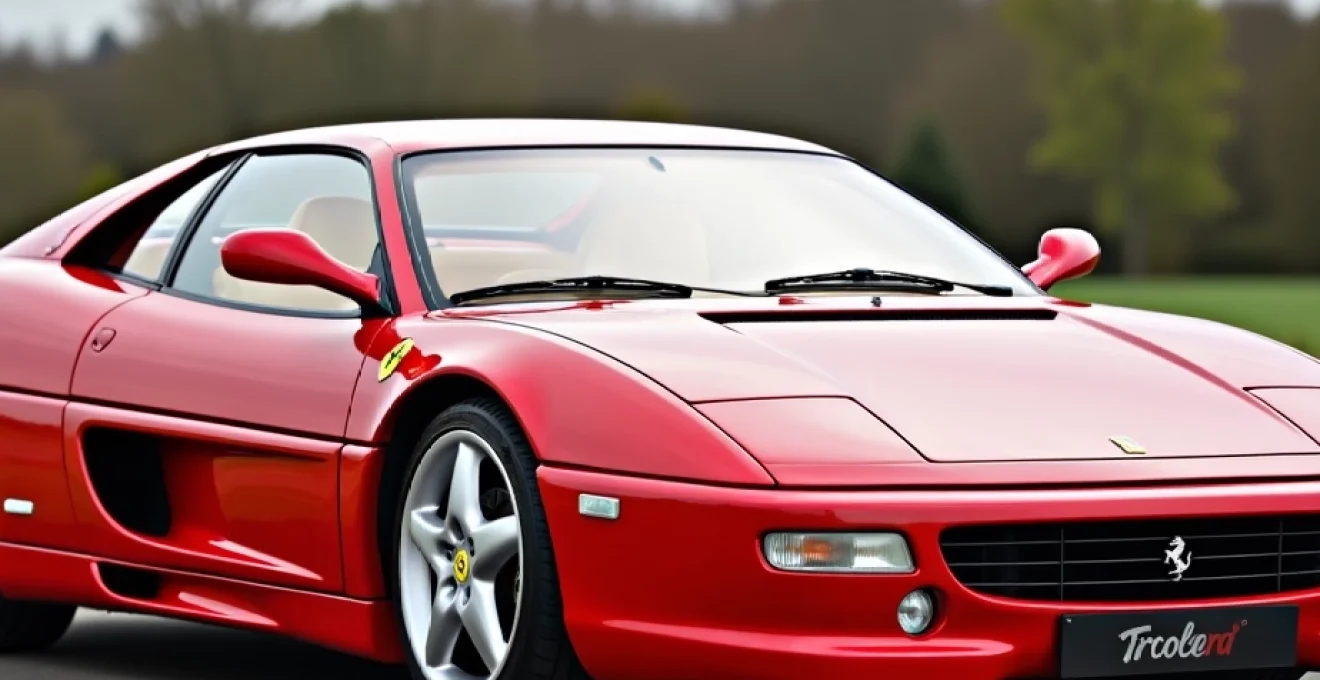
The Ferrari F355 GTS represents one of the most compelling entry points into classic Ferrari ownership, particularly for the 1998 model year which benefits from refined engineering and improved reliability compared to earlier iterations. This targa-topped variant of Ferrari’s celebrated mid-1990s supercar offers the perfect compromise between the structural rigidity of the Berlinetta and the open-air experience of the Spider. With its distinctive removable roof panel and timeless Pininfarina styling, the F355 GTS has evolved from a depreciating sports car into a highly sought-after modern classic that continues to appreciate in value across global markets.
Understanding the complexities of F355 GTS ownership requires deep knowledge of the model’s technical specifications, common failure points, and market dynamics. The 1998 model year benefits from the updated Motronic 5.2 engine management system and incorporates numerous running improvements that make it one of the most desirable production years. Whether you’re considering your first Ferrari purchase or adding to an established collection, this comprehensive assessment will provide the technical insights and market intelligence necessary for making an informed acquisition decision.
Ferrari F355 GTS market valuation and investment potential
Current market pricing analysis for 1998 model year specifications
The 1998 Ferrari F355 GTS occupies a particularly attractive position in the current classic car market, with values demonstrating consistent upward momentum since 2015. Current market data indicates that well-maintained examples with comprehensive service histories command prices ranging from £85,000 to £120,000 for vehicles showing typical wear patterns. Exceptional examples with low mileage and concours-quality presentation can exceed £140,000, particularly when equipped with the preferred manual gearbox and finished in classic colour combinations such as Rosso Corsa with Crema leather interior.
The 1998 model year benefits from several technical improvements that directly impact market valuation. The implementation of the single Motronic 5.2 ECU system provides enhanced reliability and smoother low-speed operation compared to the earlier twin-ECU setup. Additionally, the upgraded steel valve guides introduced in 1997 significantly reduce the risk of premature valve guide wear, a concern that affects earlier production models. These engineering refinements contribute to the 1998 model year commanding approximately 8-12% premium over equivalent 1995-1996 examples in similar condition.
Hagerty price guide valuations versus Real-World transaction data
Hagerty’s valuation methodology provides a structured framework for understanding F355 GTS pricing, though real-world transaction data reveals notable variations from published guides. According to current Hagerty assessments, 1998 F355 GTS models in “Good” condition are valued at approximately £63,800, with “Excellent” examples reaching £75,500. However, actual marketplace transactions consistently exceed these valuations by 15-25%, particularly for vehicles with documented Ferrari specialist maintenance and original equipment specifications.
The discrepancy between guide prices and transaction values reflects the growing recognition of the F355 as the final evolution of Ferrari’s traditional naturally aspirated V8 philosophy. Unlike later models that increasingly rely on electronic intervention and forced induction, the F355 represents the pinnacle of analogue Ferrari engineering. This positioning has created sustained collector demand that pushes transaction prices above traditional valuation metrics, especially for manual transmission examples which comprise approximately 75% of total production.
Collector car investment performance metrics since 2010
Investment performance analysis reveals that Ferrari F355 GTS models have delivered compound annual growth rates of approximately 8.2% since 2010, significantly outperforming broader classic car market indices. This appreciation trajectory reflects the model’s evolution from a depreciating used car to a recognised modern classic with established collector credentials. The most significant value increases occurred between 2014 and 2019, when average prices increased by approximately 85% as the model gained recognition among serious Ferrari collectors.
Recent market behaviour suggests that F355 values have entered a consolidation phase, with annual appreciation rates moderating to 3-5% as prices reach sustainable levels relative to ownership costs and alternative investment options. However, the fundamental supply-demand dynamics remain favourable, with many examples removed from the market through accidents, poor maintenance, or conversion to track-only use. This natural attrition continues to support pricing for well-maintained road-going examples.
Regional price variations between UK, european, and US markets
Significant regional pricing variations exist across global markets, creating opportunities for astute buyers willing to import vehicles. UK market prices typically command a 10-15% premium over Continental European examples, primarily due to right-hand-drive specifications and local market preferences. However, left-hand-drive examples imported from Europe can offer substantial value opportunities, particularly when sourcing from markets with lower Ferrari brand premiums such as Germany or the Netherlands.
United States market pricing follows different dynamics, with federal-specification vehicles commanding premiums due to their comparative rarity and the complexity of importing European-specification alternatives. The absence of certain European market options, such as the Challenge Stradale package, also influences collector preferences and pricing structures. Currency fluctuations and import regulations create additional variables that experienced buyers can leverage to optimise acquisition costs across different geographical markets.
Technical inspection protocol for Pre-Purchase assessment
F129B V8 engine compression testing and valve guide wear diagnosis
The F355’s F129B engine requires comprehensive assessment during pre-purchase inspection, with particular attention to valve guide wear patterns that primarily affect pre-1997 production models. Compression testing should reveal consistent readings across all eight cylinders, typically ranging between 170-180 psi when the engine reaches operating temperature. Variations exceeding 10% between cylinders indicate potential valve guide wear, head gasket degradation, or piston ring issues that require immediate attention and significant financial investment.
Valve guide wear manifests through several diagnostic indicators that experienced technicians can identify during inspection. Blue smoke emission during engine overrun, particularly after sustained high-rev operation, suggests oil consumption through worn valve guides. Additionally, spark plug examination reveals oil fouling patterns on affected cylinders, while borescope inspection of combustion chambers can identify carbon deposit patterns consistent with oil burning. The 1997 model year update introduced improved steel valve guides that largely eliminated this concern for later production vehicles.
Tubi exhaust system authenticity verification and heat shield inspection
Many F355 GTS examples feature aftermarket exhaust systems, with Tubi Style components being particularly popular among enthusiasts. Authentic Tubi systems command respect in the marketplace and can actually enhance vehicle value when properly installed and maintained. Verification requires examination of system markings, weld quality, and component specifications that distinguish genuine Tubi products from inferior reproductions. Original Ferrari exhaust systems are equally desirable, though catalytic converter functionality must be confirmed for vehicles requiring emissions compliance.
Heat shield inspection assumes critical importance regardless of exhaust system specification, as thermal degradation can lead to fire risk and expensive bodywork damage. The engine bay’s compact layout creates significant heat concentration, making proper heat shield installation and maintenance essential for safe operation. Damaged or missing heat shields require immediate replacement using Ferrari-approved components to maintain proper thermal management and ensure continued safe operation under all driving conditions.
Bosch motronic M2.7 ECU fault code analysis and lambda sensor testing
The 1998 model year’s Motronic 5.2 system provides improved diagnostic capabilities compared to earlier twin-ECU configurations, though proper fault code analysis requires Ferrari-specific diagnostic equipment. Common fault codes relate to lambda sensor degradation, throttle position sensor drift, and idle speed control valve malfunction. These components are critical for proper engine operation and emissions compliance, with replacement costs ranging from £200-800 depending on specific component requirements.
Lambda sensor testing should include both steady-state and dynamic response analysis to ensure proper fuel mixture control across all operating conditions. Degraded lambda sensors cause poor fuel economy, rough idle characteristics, and potential catalyst damage that significantly increases maintenance costs. The dual-bank V8 configuration requires paired lambda sensor replacement to maintain proper left-right bank fuel mixture balance, making this a moderately expensive maintenance item when renewal becomes necessary.
Sticky throttle cable syndrome detection and replacement requirements
The F355’s throttle cable system is prone to binding and sticking, particularly in vehicles with irregular maintenance schedules or extended periods of inactivity. This condition creates dangerous driving situations and requires immediate attention when detected during inspection. Throttle response should be immediate and linear throughout the pedal travel range, with no hesitation, sticking points, or slow return characteristics that indicate cable degradation or housing contamination.
Cable replacement requires complete system renewal including housing, inner cables, and related mounting hardware to ensure reliable long-term operation. The complex cable routing through the engine bay requires significant labour time, making this a moderately expensive maintenance procedure. However, proper throttle operation is essential for both safety and driving enjoyment, making cable renewal a non-negotiable requirement when problems are identified during pre-purchase assessment.
Carbon fibre body panel delamination assessment techniques
While the standard F355 GTS features steel bodywork, many examples incorporate carbon fibre components through factory options or aftermarket modifications. These lightweight panels require careful inspection for delamination, impact damage, and repair quality that affects both structural integrity and aesthetic appearance. Delamination typically appears as bubbling or separation along panel edges, while improper repairs create visible texture variations that detract from the vehicle’s overall presentation.
Professional assessment of carbon fibre components requires specialised knowledge and equipment to distinguish between cosmetic issues and structural concerns. Surface imperfections may be repairable through refinishing techniques, while structural delamination necessitates complete panel replacement at considerable expense. The rarity and cost of genuine Ferrari carbon fibre components makes thorough inspection essential during the acquisition process to avoid unexpected restoration expenses.
Common failure points and preventive maintenance costs
Timing belt service intervals and cam variator system maintenance
The F355’s timing belt service represents the most significant recurring maintenance expense, requiring attention every three years or 30,000 miles regardless of apparent belt condition. This interference engine design means that belt failure results in catastrophic internal damage, making adherence to service intervals absolutely critical for reliable operation. The complexity of accessing timing components requires engine removal in most cases, contributing to labour costs that typically range from £3,000-4,500 depending on additional work performed during engine-out service.
Cam variator system maintenance coincides with timing belt service and requires careful attention to prevent expensive secondary failures. The variator system adjusts valve timing across the engine’s operating range, with hydraulic actuators that depend on clean oil and proper system pressure. Variator failure symptoms include rough idle, poor high-rev performance, and diagnostic fault codes related to camshaft timing. Preventive maintenance during timing belt service significantly reduces the risk of variator system failures that can require additional engine-out service procedures.
The timing belt service interval is non-negotiable on Ferrari F355 models, as the interference engine design creates catastrophic damage risk if belt failure occurs during operation.
Clutch hydraulic system bleeding and master cylinder replacement
The F355’s hydraulic clutch system requires regular bleeding and component replacement to maintain proper pedal feel and engagement characteristics. Master cylinder seals degrade over time, creating internal leakage that results in spongy pedal operation and potential clutch drag. Slave cylinder replacement typically coincides with clutch renewal, as access requires transmission removal that makes simultaneous component renewal economically sensible.
Hydraulic system maintenance costs vary significantly depending on component replacement requirements and transmission access procedures. Master cylinder renewal alone costs approximately £400-600 including labour, while complete system overhaul during clutch replacement adds £800-1,200 to total service costs. Regular bleeding with appropriate DOT 4 brake fluid helps extend component life and maintain proper system operation between major service intervals.
Power steering rack seal degradation and fluid leak remediation
Power steering rack seal degradation affects most F355 examples as they accumulate age and mileage, creating fluid leaks that stain driveways and potentially damage surrounding components. Early detection allows for seal replacement before internal rack damage occurs, keeping repair costs manageable compared to complete rack replacement. Steering rack overhaul typically costs £1,500-2,500 depending on internal component condition and availability of exchange units.
Fluid leak remediation requires identification of specific seal locations and assessment of internal component wear patterns. External leaks are relatively straightforward to address through seal replacement, while internal seal degradation may require complete rack disassembly and rebuild. The ZF rack-and-pinion system used in F355 models is generally robust, though age-related seal degradation is inevitable and should be factored into ownership cost projections for older vehicles.
Air conditioning evaporator core replacement and r134a conversion
Air conditioning system maintenance represents a significant expense on F355 models, particularly when evaporator core replacement becomes necessary. The evaporator’s location behind the dashboard requires extensive interior disassembly, creating labour costs that often exceed component prices. Complete evaporator replacement typically costs £2,500-3,500 including refrigerant system evacuation, component renewal, and interior reassembly procedures.
R134a refrigerant conversion may be necessary for vehicles originally equipped with R12 systems, though most 1998 examples already feature R134a-compatible components. Conversion requires complete system flush, component compatibility verification, and refrigerant capacity adjustment to ensure proper cooling performance. Modern refrigerant alternatives provide equivalent cooling capacity while meeting current environmental regulations, making conversion a worthwhile investment for long-term ownership.
Documentation verification and provenance authentication
Comprehensive documentation verification forms the cornerstone of any serious F355 GTS acquisition, as the vehicle’s history directly impacts both current value and future ownership costs. Original purchase documentation, service records, and ownership history provide crucial insights into maintenance quality and usage patterns that affect mechanical condition and market value. Ferrari’s own records system allows verification of original specifications, factory options, and recall completion status through chassis number cross-referencing.
Service history documentation should demonstrate consistent maintenance by qualified Ferrari specialists using genuine or approved alternative components. Gaps in service records create uncertainty about deferred maintenance and potential hidden problems that may manifest after purchase. The complexity of F355 systems makes specialist knowledge essential for proper maintenance, so evidence of competent professional care significantly enhances acquisition confidence and vehicle value.
Authenticity verification extends beyond mechanical components to include interior trim, wheels, and optional equipment that affects market value and collector appeal. Numbers-matching engine and gearbox components command premiums in the collector market, while non-original major components may indicate accident history or inappropriate modifications. Professional pre-purchase inspection by recognised Ferrari specialists provides essential verification of authenticity and condition that protects buyers from expensive surprises.
Documentation verification and professional pre-purchase inspection are essential investments that can prevent costly surprises and ensure authentic Ferrari ownership experience.
Specialist workshop selection and ongoing ownership costs
Selecting appropriate specialist workshop support significantly impacts both ownership enjoyment and long-term costs, as F355 maintenance requires specific knowledge and equipment that general automotive facilities cannot provide. Established Ferrari specialists possess the diagnostic tools, technical documentation, and component sources necessary for proper maintenance and repair procedures. Their experience with common failure patterns and appropriate solutions helps prevent expensive mistakes that can occur when inexperienced technicians attempt complex procedures.
Ongoing ownership costs vary dramatically depending on usage patterns, maintenance quality, and component replacement philosophy. Conservative estimates suggest annual maintenance costs of £2,000-3,000 for moderate-use vehicles with current service status, though deferred maintenance or component failures can significantly increase expenses. The timing belt service cycle represents the largest single expense, typically occurring every three years regardless of mileage accumulation patterns.
Parts availability and pricing present ongoing considerations for F355 ownership, as some components command significant premiums while others offer reasonable value through aftermarket alternatives. Genuine Ferrari components provide assured compatibility and quality, though specialist suppliers offer approved alternatives for many service items. Understanding which components require genuine specifications versus acceptable alternatives helps optimise maintenance costs without compromising reliability or authenticity.
| Service Item | Frequency | Approximate Cost |
| Annual Service | 12 months | £800-1,200 |
| Timing Belt Service | 36 months | £3,000-4,500 |
| Clutch Replacement | 25,000 miles | £2,500-3,500 |
Insurance classification and usage considerations for classic ferrari ownership
Ferrari F355 GTS insurance classification varies significantly between standard motor policies and specialist classic car coverage, with substantial implications for both premium costs and usage flexibility. Most mainstream insurers classify the F355 as a high-performance vehicle requiring specialist underwriting, often resulting in prohibitive premiums or coverage exclusions. Classic car insurance specialists offer more appropriate coverage structures that recognise the vehicle’s collector status while providing agreed value protection and specialist repair network access.
Usage patterns directly influence insurance classification and premium calculations, with most classic car policies requiring limited annual mileage and secure storage arrangements. Typical agreed value policies restrict annual driving to 2,500-5,000 miles, though some insurers offer higher mileage allowances for additional premiums. The agreed value structure provides crucial protection against market fluctuations and ensures adequate coverage for restoration or replacement costs that standard policies may not recognise.
Storage requirements represent a fundamental consideration for F355 ownership, as most insurance policies mandate secure garage facilities with specific security standards. These requirements reflect both theft risk and environmental protection needs that preserve the vehicle’s condition and value over time. Outdoor storage typically voids coverage or requires substantial premium increases that make garage facilities economically essential for most ownership scenarios.
Track day participation and performance driving events require specific insurance consideration, as standard policies typically exclude competition use and high-performance driving activities. Specialist track day insurance provides event-specific coverage that protects against damage occurring during organised driving events, though premiums reflect the increased risk exposure. Some classic car policies offer limited track day coverage as standard benefits, making policy comparison essential for enthusiast owners planning regular performance driving activities.
The F355’s classification as a modern classic creates unique insurance opportunities that balance collector car benefits with practical usability requirements. Unlike older classics that may require trailered transportation and limited operational flexibility, the F355’s mechanical reliability and parts availability support more flexible usage patterns. This positioning allows owners to enjoy regular driving while maintaining appropriate insurance protection and collector car status recognition.
Specialist classic car insurance provides essential protection for F355 ownership, offering agreed value coverage and usage flexibility that standard motor policies cannot match.
Geographic considerations influence insurance availability and pricing, with rural locations often commanding lower premiums due to reduced theft risk and accident exposure. Urban areas may require additional security measures such as tracking systems or immobilisers to maintain coverage eligibility. The vehicle’s left-hand or right-hand drive configuration also affects insurance classification, with right-hand drive examples typically commanding slight premium reductions in UK markets due to reduced export theft risk.
Multi-vehicle policies can provide significant cost advantages for collectors maintaining several classic cars, with many insurers offering substantial discounts for fleet coverage. These arrangements often include flexible usage allowances that can be shared between vehicles, providing operational flexibility while maintaining cost-effective coverage. The collector car market recognition continues expanding insurance options and improving coverage terms for F355 owners seeking comprehensive protection at reasonable cost levels.