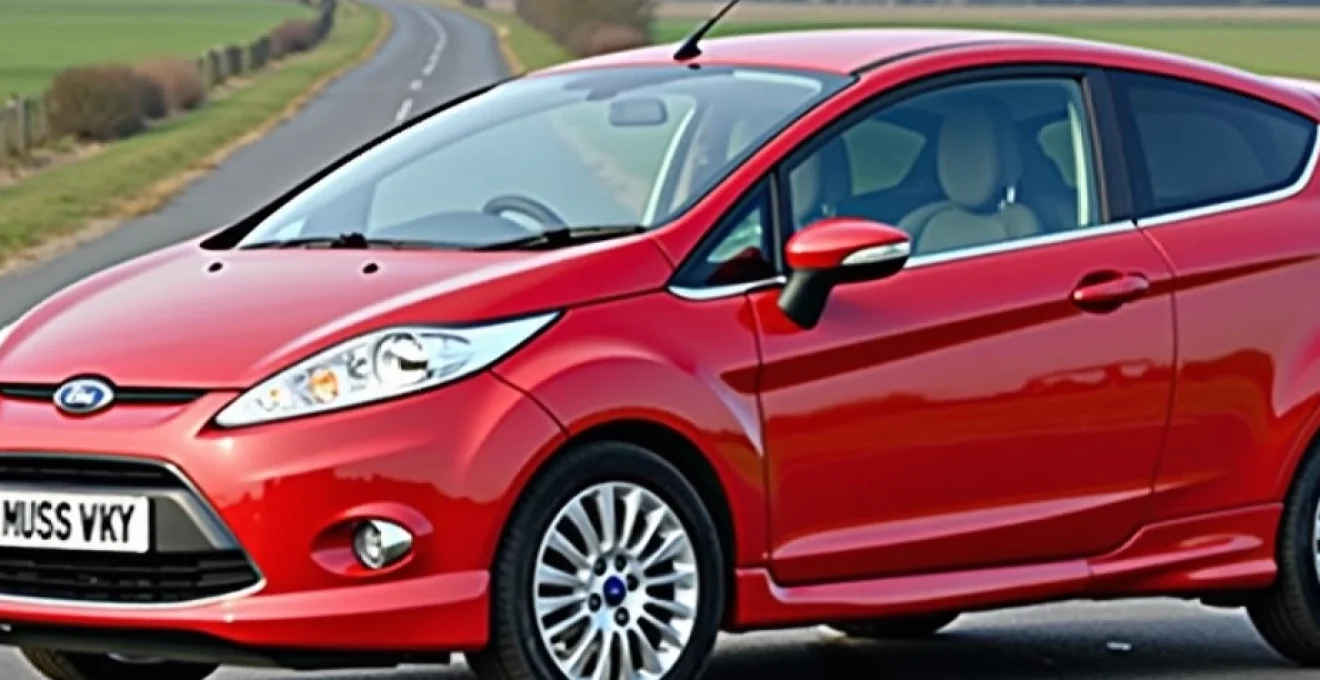
The Ford Fiesta Zetec-S MK5 represents a pivotal moment in hot hatch evolution, bridging the gap between everyday practicality and genuine driving thrills. Launched in 2002 as Ford’s answer to increasingly sophisticated competition, this compact performance machine carved out a distinctive niche in the burgeoning sport compact segment. Built upon the solid foundation of the standard Fiesta’s architecture, the Zetec-S variant incorporated meaningful mechanical upgrades that transformed the driving experience without compromising the model’s inherent reliability and affordability. Today, as enthusiasts seek authentic driving experiences from an era before electronic intervention dominated vehicle dynamics, the MK5 Zetec-S has emerged as an increasingly desirable proposition for both collectors and driving purists alike.
Ford fiesta Zetec-S MK5 engine specifications and performance analysis
At the heart of the Zetec-S lies Ford’s naturally aspirated 1.6-litre Duratec engine, a sophisticated powerplant that marked a significant departure from the older CVH units. This aluminium-block, twin-cam design produces 100 horsepower at 6,000 rpm, delivering its peak torque of 107 lb-ft at 4,000 rpm. The engine’s relatively high-revving nature reflects Ford’s commitment to creating an engaging driving experience that rewards enthusiastic operation.
Duratec 2.0-litre naturally aspirated engine characteristics
While the standard Zetec-S utilised the 1.6-litre unit, many enthusiasts have successfully transplanted the 2.0-litre Duratec from the Ford Puma, creating a more potent variant. This engine conversion has become increasingly popular, offering 125 horsepower in standard tune with significant potential for further enhancement. The 2.0-litre unit shares the same basic architecture as its smaller sibling but benefits from increased displacement and more aggressive cam timing.
The aluminium construction keeps weight to a minimum while the twin overhead cam design enables excellent breathing characteristics. Variable valve timing wasn’t yet standard on these units, meaning power delivery follows a more traditional naturally aspirated curve. This characteristic actually enhances the driving experience, requiring proper technique to extract maximum performance.
Power output and torque delivery throughout rev range
The 1.6-litre engine’s power curve demonstrates classic naturally aspirated characteristics, with torque building progressively from 2,500 rpm and reaching its plateau between 4,000-4,500 rpm. Peak power arrives at the upper reaches of the rev range, encouraging drivers to explore the engine’s full potential. This power delivery pattern creates an engaging driving experience that rewards proper gear selection and throttle control.
Unlike modern turbocharged alternatives, the Zetec-S requires commitment to access its performance envelope. The engine pulls strongly through the mid-range but truly comes alive above 4,500 rpm, where the intake and exhaust tuning work in harmony. This characteristic makes the car particularly rewarding on flowing roads where maintaining momentum becomes crucial.
0-60mph acceleration times and Quarter-Mile performance
Ford claimed a 0-60mph time of 10.2 seconds for the standard Zetec-S, though real-world testing often revealed slightly quicker times with optimal conditions and technique. The car’s relatively light kerb weight of 976kg contributes significantly to its sprightly performance, providing a power-to-weight ratio of 106 horsepower per tonne. Quarter-mile times typically fall in the 17.5-18 second range, respectable figures for a naturally aspirated 1.6-litre engine of this era.
These acceleration figures might seem modest by contemporary standards, but they represent genuine performance in the context of early 2000s superminis. The car’s strength lies not in straight-line brutality but in its ability to maintain speed through corners and its willingness to be driven hard without mechanical protest.
Fuel economy ratings NEDC vs Real-World consumption
Official fuel economy figures suggested consumption of approximately 40mpg combined, though real-world experience typically yielded figures between 32-38mpg depending on driving style. The naturally aspirated engine’s efficiency characteristics mean that gentle driving can achieve the upper end of this range, while spirited use inevitably pushes consumption towards the lower figures.
Modern drivers accustomed to turbocharged efficiency might find the Zetec-S somewhat thirsty, but this reflects the honest nature of naturally aspirated performance. The engine rewards smooth, progressive inputs with reasonable economy while still delivering genuine excitement when pushed hard.
Chassis dynamics and handling package assessment
The Zetec-S distinguished itself from standard Fiesta variants through comprehensive chassis modifications that transformed the driving experience. Ford’s engineers recognised that extracting the full potential from the upgraded powertrain required corresponding improvements to the suspension, steering, and braking systems. The result was a cohesive package that delivered genuine hot hatch credentials within the constraints of the Fiesta’s compact dimensions.
Sports suspension setup with lowered ride height
The sports suspension package featured stiffer springs and dampers calibrated specifically for the Zetec-S application. Ride height dropped by approximately 15mm compared to standard variants, lowering the centre of gravity and improving aerodynamic efficiency. The suspension tuning struck an impressive balance between handling precision and everyday usability, avoiding the harsh ride quality that plagued some contemporary rivals.
Anti-roll bars received uprating front and rear, with the front bar in particular becoming notably stiffer to control body roll during cornering. This modification transformed the car’s cornering attitude, reducing the understeer tendencies inherent in the front-wheel-drive layout while maintaining predictable handling characteristics that flattered drivers of varying skill levels.
Steering rack calibration and road feedback quality
Ford’s engineers recalibrated the steering rack specifically for the Zetec-S, increasing the weighting slightly while improving the feedback quality significantly. The electrically-assisted system, unusual for the era, provided excellent low-speed manoeuvrability while building weight progressively as speeds increased. Road surface information flowed through the steering wheel with impressive clarity, enabling precise placement on challenging roads.
The steering response proved immediate and linear, characteristics that enhanced driver confidence and encouraged spirited driving. Unlike some contemporary systems that felt artificially weighted, the Zetec-S setup maintained a natural feel that complemented the chassis dynamics perfectly.
Braking system upgrade with ventilated front discs
Upgraded braking components included larger ventilated front discs measuring 260mm in diameter, paired with single-piston sliding calipers. The rear drums, while retained for cost reasons, received improved lining materials and revised servo assistance calibration. This combination provided adequate stopping power for the car’s performance envelope while maintaining the progressive pedal feel essential for confident driving.
Brake feel proved excellent, with a firm pedal that inspired confidence during spirited driving sessions. The system demonstrated impressive resistance to fade, though extended track use inevitably revealed the limitations of the drum rear setup. Many enthusiasts have subsequently upgraded to rear disc conversions, though this modification isn’t strictly necessary for road use.
Michelin pilot sport tyre specifications and grip levels
Original equipment tyres comprised Michelin Pilot Sport units in 195/45R16 specification, mounted on attractive 16-inch alloy wheels. These tyres provided excellent grip levels for the era, with progressive breakaway characteristics that complemented the chassis tuning perfectly. The combination of wheel and tyre sizes struck an optimal balance between performance and ride quality.
Modern replacement options include contemporary equivalents from major manufacturers, though many owners report excellent results with Michelin Pilot Sport 3 or 4 tyres in the original specification. The tyre choice significantly influences the driving experience, with premium options maintaining the car’s excellent handling balance.
Interior configuration and recaro seat integration
The Zetec-S interior reflected Ford’s commitment to creating a genuinely sporting environment without sacrificing everyday usability. Central to this philosophy was the integration of supportive seating, improved materials, and subtle sporting touches that distinguished the cabin from standard Fiesta variants. The result was an environment that felt appropriately special while remaining practical for daily use.
Recaro sport seats, available as an option on higher-specification models, provided exceptional support during spirited driving while maintaining comfort for longer journeys. The seats featured distinctive cloth trim with contrasting stitching, creating a premium aesthetic that elevated the interior ambiance significantly. Standard seats, while less supportive, still offered improved bolstering compared to base Fiesta models.
The dashboard layout remained largely unchanged from standard variants, though the Zetec-S received unique trim inserts and a leather-wrapped steering wheel as standard equipment. Instrument cluster modifications included a rev counter with an extended red zone, emphasising the engine’s high-revving nature. Additional gauges weren’t provided, though the standard oil pressure and temperature warnings proved adequate for monitoring engine health.
Storage solutions throughout the cabin demonstrated Ford’s attention to practical details. Door pockets accommodated large bottles, while the glovebox provided sufficient space for essential items. Rear passenger accommodation remained tight by modern standards, though acceptable for occasional use or children. The boot offered respectable capacity for a car of this size, expanding significantly with the rear seats folded.
The interior strikes an impressive balance between sporting character and everyday practicality, creating an environment that enhances rather than detracts from the driving experience.
Common mechanical issues and reliability concerns
Despite its generally robust reputation, the Zetec-S MK5 exhibits several recurring mechanical issues that potential buyers should thoroughly understand. These problems, while not universally present, occur frequently enough to warrant careful inspection during the purchase process. Understanding these failure patterns enables informed decision-making and appropriate budgeting for potential repairs.
Timing belt service intervals and replacement costs
The Duratec engine utilises a timing belt system requiring replacement every 100,000 miles or 10 years, whichever occurs first. This represents a significant service item, with replacement costs typically ranging between £300-500 depending on location and additional components replaced simultaneously. Many specialists recommend replacing the water pump, tensioners, and auxiliary belts during timing belt service to maximise reliability and minimise future labour costs.
Timing belt failure results in engine damage due to the interference design, making adherence to service intervals absolutely critical. Documentation proving recent timing belt replacement significantly enhances a vehicle’s value and desirability among knowledgeable buyers. Prospective purchasers should budget for immediate timing belt service if documentation cannot be provided or if the interval has been exceeded.
Rear beam suspension bush deterioration patterns
The rear beam suspension, while robust in design, suffers from predictable bush deterioration patterns as mileage accumulates. The mounting bushes connecting the beam to the chassis typically develop play after 80,000-100,000 miles, resulting in imprecise handling and potential noise issues. Replacement represents a significant labour-intensive operation, with total costs approaching £400-600 including parts and labour.
Symptoms of deteriorating rear suspension bushes include vague handling, excessive body movement over bumps, and potential knocking sounds from the rear during direction changes. Early intervention prevents accelerated tyre wear and maintains the car’s excellent handling characteristics. Many specialists offer polyurethane bush upgrades that provide enhanced durability and slightly firmer handling characteristics.
ECU software updates and known programming faults
Early Zetec-S models occasionally exhibit ECU programming issues that manifest as hesitation during acceleration, irregular idle quality, or intermittent engine warning lights. Ford released several software updates addressing these concerns, though many vehicles never received these updates during their warranty period. Symptoms typically worsen gradually, making diagnosis challenging without appropriate diagnostic equipment.
Professional diagnosis using Ford-specific diagnostic tools often reveals stored fault codes that guide repair procedures. Many independent specialists maintain the necessary software and hardware to perform ECU updates, typically costing £100-200 including diagnostic time. These updates often transform the driving experience, eliminating hesitation and improving throttle response significantly.
Exhaust system corrosion points and replacement options
The exhaust system represents a predictable maintenance item, with the rear silencer and intermediate pipe sections most susceptible to corrosion damage. Original equipment systems typically last 80,000-120,000 miles depending on usage patterns and storage conditions. Replacement costs vary significantly depending on component quality and installation approach.
Aftermarket exhaust options range from direct OEM replacements to performance-oriented systems offering improved sound and modest power gains. Performance exhausts typically cost £200-600 depending on materials and construction quality. Many owners report improved throttle response and enhanced engine note with quality aftermarket systems, though these modifications may affect insurance premiums and MOT compliance.
Market pricing analysis and depreciation trends
The Ford Fiesta Zetec-S MK5 has experienced fascinating depreciation patterns that reflect broader trends in the classic car market. Initially following conventional depreciation curves, these vehicles reached their lowest values around 2010-2012 when examples with reasonable mileage could be acquired for £2,000-3,000. However, growing appreciation for naturally aspirated hot hatches has reversed this trend, with quality examples now commanding premium prices.
Current market pricing demonstrates significant variation based on condition, mileage, and specification. Serviceable examples requiring minor attention start around £3,000-4,000, while well-maintained vehicles with comprehensive service histories typically command £5,000-7,000. Exceptional examples with low mileage and original specifications can exceed £8,000, reflecting their increasing rarity and desirability among enthusiasts.
The market has clearly segmented into distinct categories, with tatty examples continuing to depreciate while quality vehicles appreciate steadily. This polarisation reflects the model’s transition from mere used car to modern classic, with condition becoming the primary value determinant. Buyers seeking investment potential should focus exclusively on the finest available examples, accepting higher purchase prices in exchange for stronger future prospects.
Regional pricing variations remain significant, with metropolitan areas typically commanding premium prices while rural markets offer better value for money. Seasonal fluctuations also influence pricing, with spring and summer months generally favouring sellers. Patient buyers willing to wait for the right example often secure better value than those purchasing impulsively.
The transition from depreciating used car to appreciating modern classic creates both opportunities and challenges for potential buyers seeking the optimal balance between price and quality.
Pre-purchase inspection checklist and documentation verification
Conducting a thorough pre-purchase inspection represents the most critical step in acquiring a quality Zetec-S MK5. The inspection process should systematically evaluate mechanical, cosmetic, and documentation aspects to ensure informed decision-making. Professional inspections, while adding to purchase costs, often prevent expensive surprises and provide valuable negotiating leverage.
Documentation verification begins with confirming the vehicle’s identity through VIN number checks and DVLA records. Service history represents crucial evidence of proper maintenance, with timing belt replacement documentation being particularly important. Original purchase receipts, MOT certificates, and insurance records provide valuable insight into the vehicle’s history and treatment by previous owners.
- Verify timing belt replacement within the last 100,000 miles or 10 years
- Inspect rear suspension mounting points for excessive corrosion or damage
- Test all electrical systems including central locking and window operation
- Examine exhaust system for signs of corrosion or temporary repairs
- Check brake disc condition and pad thickness on all four corners
Mechanical inspection should prioritise the engine’s timing belt service history, as failure results in expensive internal damage. Visual inspection of the belt and associated components can reveal obvious deterioration, though professional assessment provides greater confidence. Engine oil condition and colour indicate maintenance standards, while unusual noises during operation suggest potential problems requiring further investigation.
Suspension components require careful evaluation, particularly the rear beam mounting bushes and front suspension arms. Excessive play in these components affects handling significantly while representing expensive repair items. Road testing should evaluate steering precision, brake effectiveness, and overall handling balance to identify potential issues not apparent during static inspection.
Interior and exterior condition assessment should focus on wear patterns consistent with recorded mileage and overall vehicle presentation. Recaro seats, where fitted, should show appropriate wear levels without excessive bolster damage or fabric deterioration. Paint condition, while cosmetic, can indicate accident history or poor storage conditions that may affect long-term durability.
The inspection process culminates in honest evaluation of the vehicle’s overall condition relative to asking price and personal requirements. Quality examples justify premium pricing through superior condition and comprehensive documentation, while project vehicles offer opportunities for enthusiastic owners willing to invest time and money in restoration efforts. The key lies in aligning expectations with
reality and making informed purchasing decisions that align with specific objectives and budget constraints.
Documentation verification extends beyond basic service records to include insurance claims history, previous ownership patterns, and any modifications or accident damage. HPI checks reveal crucial information about outstanding finance, previous accidents, or theft recovery status that significantly impacts value and desirability. Many sellers provide incomplete or inaccurate information, making independent verification essential for confident purchasing decisions.
Professional inspection services, while adding £150-300 to purchase costs, often identify issues worth thousands of pounds in potential repairs. These services provide detailed reports covering mechanical, electrical, and structural aspects while offering valuable negotiating leverage. For inexperienced buyers or high-value purchases, professional inspection represents excellent insurance against expensive mistakes.
The inspection process should conclude with honest assessment of total ownership costs including immediate repairs, ongoing maintenance, and insurance expenses. Quality examples may command premium purchase prices but often prove more economical long-term through reduced repair costs and stronger residual values. Project vehicles appeal to enthusiastic owners but require realistic budgeting for restoration work and extended downtime periods.
Successful Zetec-S MK5 ownership begins with thorough preparation and realistic expectations. The most satisfying purchases balance initial outlay against long-term ownership pleasure, recognising that these vehicles reward proper maintenance and sympathetic use. Whether seeking a daily driver, weekend toy, or investment vehicle, the inspection process ultimately determines success or disappointment in Fiesta Zetec-S ownership.
Thorough pre-purchase inspection and documentation verification separate successful acquisitions from expensive mistakes, making professional assessment invaluable for significant purchases.