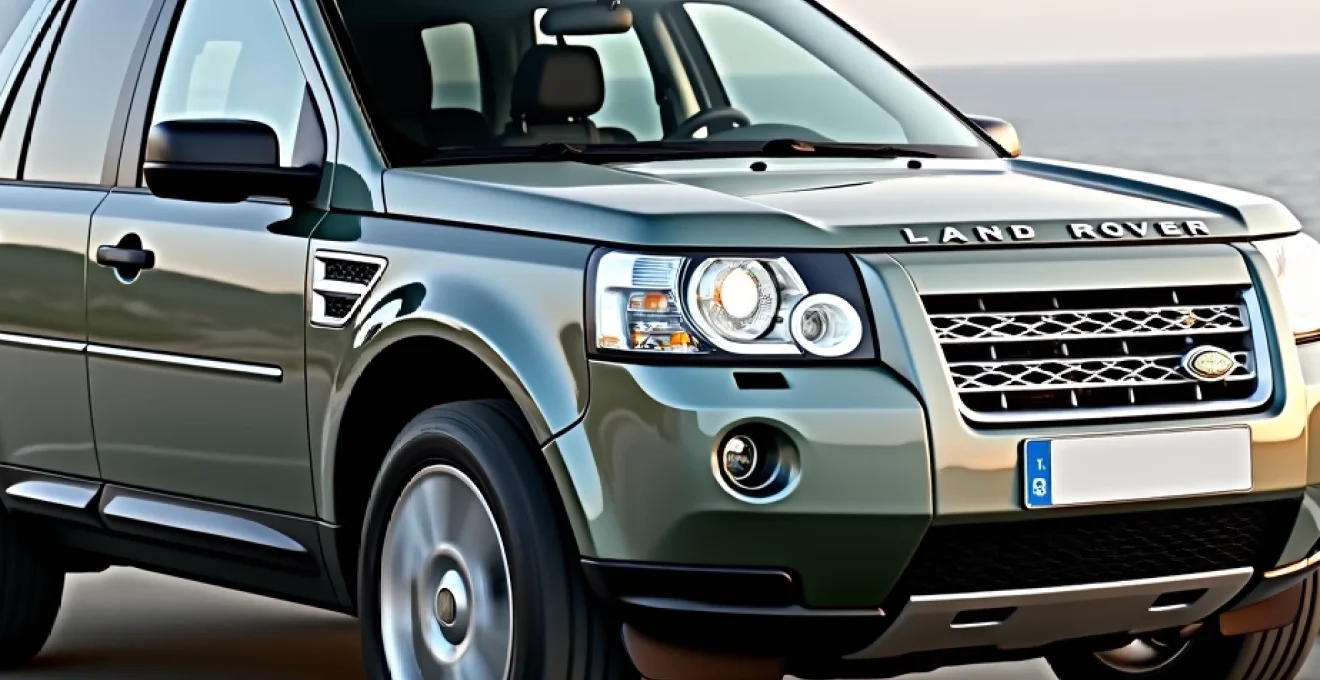
The Land Rover Freelander 2 represented a significant leap forward from its predecessor when it launched in 2006, bringing sophisticated all-terrain capabilities and premium build quality to the compact SUV segment. However, certain model years have proven particularly problematic for owners, experiencing critical failures that can result in substantial repair costs and extended periods off the road. Understanding which production years to approach with caution becomes essential when considering a used Freelander 2 purchase, as the difference between a reliable example and a potential money pit often comes down to specific manufacturing periods and known design flaws.
Manufacturing inconsistencies, supplier quality issues, and evolving technology integration created distinct reliability patterns across the Freelander 2’s production run from 2006 to 2015. Early adoption challenges plagued initial model years, while mid-production refinements brought their own unique complications. These reliability concerns span multiple vehicle systems, from powertrain components to electronic modules, creating a complex landscape for prospective buyers to navigate.
Land rover freelander 2 model years with critical reliability issues
Several production periods stand out as particularly problematic for the Freelander 2, each characterised by specific failure patterns that developed into widespread owner complaints and costly repair requirements. Understanding these timeframes helps buyers identify potentially troublesome examples while recognising the underlying causes that created these reliability challenges.
2007-2008 early production TD4 engine failures
The initial production years of the Freelander 2 suffered from significant engine reliability issues, particularly affecting the 2.2-litre TD4 diesel unit. Manufacturing quality control problems during this period led to premature wear of critical engine components, with many owners reporting complete engine failures before reaching 100,000 kilometres. The most commonly reported issues included timing chain tensioner failures, which could result in catastrophic engine damage if the chain jumped timing.
Fuel injector problems plagued early TD4 engines, with owners experiencing rough idling, reduced power output, and increased fuel consumption. The high-pressure fuel pump also proved problematic, with failures often requiring replacement of the entire injection system at considerable expense. These early production engines suffered from inadequate quality control measures during the transition from BMW’s proven diesel technology to the new PSA-sourced powertrain.
2009-2010 haldex All-Wheel drive system malfunctions
The 2009 and 2010 model years experienced widespread failures of the Haldex all-wheel drive coupling system, which manages torque distribution between front and rear axles. Premature wear of internal components led to complete system failures, leaving vehicles essentially front-wheel drive only. The coupling unit’s electronic control module proved particularly vulnerable to moisture ingress, causing erratic operation and eventually complete system shutdown.
Owners reported symptoms including warning lights on the dashboard, unusual noises from the rear differential area, and poor traction in challenging conditions. Replacement costs for the complete Haldex system often exceeded £3,000, making these failures economically devastating for many owners. The problem stemmed from inadequate sealing of the coupling housing and insufficient protection of electronic components from road spray and moisture.
2011-2012 ford PSA 2.2 diesel engine problems
The collaboration between Ford and PSA for the 2.2-litre diesel engine introduced during this period brought significant reliability challenges. Design compromises made to meet emissions standards resulted in engines that struggled with real-world durability requirements. The diesel particulate filter system proved particularly problematic, with frequent regeneration cycles required and premature filter failures common among vehicles used primarily for short urban journeys.
Turbocharger failures became increasingly common during this period, often attributed to inadequate oil supply systems and contamination from failed DPF regeneration cycles. The variable geometry turbocharger proved especially vulnerable, with actuator failures leading to reduced power output and eventual complete turbo replacement requirements. These issues were compounded by extended service intervals that many experts considered too optimistic for the engine’s actual maintenance needs.
2013-2014 Stop/Start system electronic faults
The introduction of stop/start technology in later Freelander 2 models brought a new category of reliability problems. Battery management system failures became increasingly common, with the dual-battery setup proving vulnerable to charging imbalances and premature failure of auxiliary batteries. The system’s integration with engine management created cascading failures when components malfunctioned.
Owners experienced frequent false activation of the stop/start system, battery drain issues when parked, and complete system shutdowns requiring dealer intervention to reset. The complexity of the system made diagnosis challenging for independent mechanics, forcing owners to rely on expensive dealer services for repairs. Software updates proved only partially effective in addressing these fundamental design issues.
Terrain response system failures across problematic model years
The sophisticated Terrain Response system, while innovative for its time, proved to be a significant source of reliability concerns throughout the Freelander 2’s production run. This complex electronic system, which automatically adjusts various vehicle parameters based on driving conditions, experienced multiple failure modes that could severely impact vehicle functionality and safety.
Electronic traction control module degradation
The electronic traction control modules integrated within the Terrain Response system showed patterns of premature failure across multiple model years. Circuit board degradation due to thermal cycling created intermittent faults that often proved difficult to diagnose accurately. Symptoms included unexpected activation of traction control systems during normal driving conditions, complete loss of electronic stability control, and dashboard warning lights that would appear and disappear unpredictably.
The modular design of the traction control system meant that failures in one component could cascade throughout the entire network, creating multiple simultaneous faults. Replacement costs for these modules often exceeded £1,500 per unit, and some vehicles required multiple modules to restore full functionality. The problem was exacerbated by limited availability of replacement parts and the requirement for dealer-level diagnostic equipment to properly identify faulty components.
Hill descent control sensor calibration issues
Hill Descent Control sensors experienced widespread calibration drift problems, particularly in vehicles exposed to extreme temperature variations or moisture ingress. Sensor accuracy degradation led to inappropriate system activation during normal driving conditions, causing unexpected braking and loss of driver control. The system’s integration with other electronic stability systems meant that HDC malfunctions could affect overall vehicle dynamics and safety.
Recalibration procedures proved complex and often temporary, with sensors requiring complete replacement to restore proper functionality. The positioning of sensors in vulnerable locations exposed them to road debris and moisture, accelerating their deterioration. Software updates provided by Land Rover offered limited improvement, as the underlying hardware limitations remained unaddressed.
Dynamic stability control software glitches
Software integration problems plagued the Dynamic Stability Control system throughout the Freelander 2’s production run, with particularly severe issues affecting 2008-2010 model years. Communication protocol errors between control modules created situations where the system would either fail to activate when needed or intervene inappropriately during normal driving conditions. These software glitches proved resistant to traditional diagnostic approaches and often required multiple dealer visits to resolve.
The complexity of the software interactions meant that updates to one system component could inadvertently affect other systems, creating new problems while attempting to solve existing ones. Owners reported situations where software updates resolved some issues while introducing previously unknown faults. The interconnected nature of modern vehicle electronics made comprehensive testing of software updates challenging, leading to a cycle of partial solutions and new problems.
Transmission and drivetrain defects in High-Risk freelander 2 years
The transmission and drivetrain components of the Freelander 2 experienced significant reliability challenges across specific production periods, with certain years showing particularly high failure rates that could result in complete powertrain replacement requirements.
Aisin AF40-6 Six-Speed automatic transmission failures
The Aisin-manufactured six-speed automatic transmission used in many Freelander 2 models demonstrated concerning failure patterns, particularly in 2009-2011 production years. Premature wear of internal clutch packs and valve body components led to harsh shifting, slipping between gears, and eventual complete transmission failure. The electronic control unit proved particularly vulnerable to moisture ingress, causing erratic shift patterns and transmission lockup situations.
Owners reported symptoms including delayed engagement when shifting from park to drive, harsh downshifts during deceleration, and complete loss of certain gears. The transmission’s adaptive learning system often masked developing problems until catastrophic failure occurred, making early intervention difficult. Replacement costs for complete transmission assemblies often approached £8,000, making these failures economically devastating for many owners.
The transmission problems were so severe that many owners faced repair costs exceeding the vehicle’s market value, creating a significant financial burden that extended well beyond normal maintenance expectations.
The root causes of these failures included inadequate cooling capacity for the transmission fluid, particularly during towing or off-road use, and design limitations in the valve body that made it susceptible to contamination from worn clutch materials. Extended service intervals recommended by the manufacturer proved inadequate for maintaining transmission longevity, with many experts recommending fluid changes at half the official intervals.
Rear differential bearing premature wear patterns
Rear differential bearing failures became increasingly common in 2010-2013 model years, with many vehicles experiencing complete bearing disintegration before reaching 80,000 kilometres. Inadequate lubrication systems and contamination from failed seals accelerated wear patterns beyond design expectations. The symptoms typically began with a low humming noise from the rear of the vehicle during acceleration, progressing to loud grinding sounds and eventual complete bearing failure.
The differential housing design proved vulnerable to water ingress during off-road use, with inadequate drain provisions allowing contaminated fluid to remain in the housing. Replacement of rear differential assemblies required specialised tools and expertise, limiting repair options to authorised dealers and specialist facilities. The cost of complete differential replacement often exceeded £2,500, not including associated labour charges for removal and installation.
Propshaft universal joint deterioration
Universal joints in the propshaft assembly showed patterns of accelerated wear, particularly affecting vehicles used regularly in off-road conditions. Design limitations in the joint sealing systems allowed contamination to enter the bearing surfaces, leading to rapid deterioration and eventual failure. The symptoms included vibration during acceleration, clicking noises when turning, and eventually complete joint seizure that could damage other drivetrain components.
The propshaft’s design incorporated multiple universal joints that were not individually serviceable, requiring replacement of complete shaft assemblies when any component failed. This design philosophy significantly increased repair costs and complexity, as partial repairs were not possible. Regular greasing of these joints was specified by the manufacturer but proved insufficient to prevent premature wear in real-world conditions.
Transfer case oil pump mechanical breakdowns
The transfer case oil pump system experienced significant reliability issues across multiple production years, with particularly high failure rates in 2011-2013 models. Mechanical pump wear and electronic control system failures led to inadequate lubrication of transfer case components, resulting in catastrophic internal damage. The pump’s integration with the electronic all-wheel drive system meant that failures could affect multiple vehicle systems simultaneously.
Symptoms of transfer case oil pump failure included unusual noises from the centre of the vehicle, warning lights indicating all-wheel drive system malfunctions, and eventual complete loss of four-wheel drive capability. The pump’s location made access difficult for routine maintenance, and replacement required significant disassembly of surrounding components. Repair costs for transfer case oil pump failures typically ranged from £1,800 to £3,200, depending on the extent of secondary damage.
Electrical system vulnerabilities in specific production periods
The electrical systems in certain Freelander 2 model years proved particularly vulnerable to failures that could affect multiple vehicle functions simultaneously. Design compromises in wiring harness routing and connector quality created systemic weaknesses that manifested as seemingly unrelated electrical faults throughout the vehicle.
The 2008-2010 production period experienced widespread issues with the main wiring harness, where inadequate protection from road spray and debris led to corrosion of critical connectors. This corrosion created intermittent electrical connections that caused erratic behaviour in multiple systems, from engine management to interior lighting. The interconnected nature of modern vehicle electrical systems meant that a single corroded connector could affect numerous seemingly unrelated functions.
Body control module failures became increasingly common in 2009-2011 model years, with symptoms including inoperative central locking, window malfunctions, and interior lighting problems. The module’s location in areas prone to moisture ingress exacerbated these issues, particularly in vehicles used in wet or humid conditions. Replacement of body control modules required extensive reprogramming and component coding, limiting repair options to dealers with appropriate diagnostic equipment.
The alternator and charging system design proved inadequate for the increasing electrical demands of later model years, particularly those equipped with stop/start systems and multiple electronic modules. Premature alternator failures became common after 60,000 kilometres, often accompanied by battery management system faults that could leave vehicles inoperative. The complex interaction between charging system components made diagnosis challenging, often requiring multiple repair attempts to identify all affected components.
Electrical system failures often created cascading problems throughout the vehicle, making diagnosis complex and expensive while leaving owners with unreliable transportation that could fail without warning.
Climate control system electronics showed particular vulnerability to failure, with automatic climate control modules experiencing high failure rates across 2010-2013 production years. These failures typically resulted in loss of heating and cooling functions, with replacement costs often exceeding £800 for the control module alone. The system’s integration with other vehicle electronics meant that climate control failures could sometimes affect engine cooling system operation, creating potential for more serious mechanical damage.
Suspension and steering component failures by model year
Suspension and steering components in specific Freelander 2 model years demonstrated concerning patterns of premature wear and failure, particularly affecting vehicle safety and handling characteristics. The 2007-2009 production period showed notably high failure rates in front suspension components, with many vehicles requiring complete strut assemblies before reaching 60,000 kilometres.
Design limitations in the MacPherson strut assembly created stress concentrations that led to premature failure of mounting components and internal sealing systems. Symptoms included excessive noise over bumps, uneven tyre wear patterns, and loss of directional stability during braking or acceleration. The integrated design of these assemblies meant that individual component replacement was often not possible, requiring expensive complete unit replacement.
Power steering system failures became increasingly common in 2010-2012 model years, with electric power steering motors showing patterns of premature failure. The motor’s location in areas exposed to road spray and debris accelerated deterioration of internal components, leading to complete loss of power assistance. Replacement costs for electric power steering systems often exceeded £1,200, and failure could occur suddenly without warning, creating potential safety hazards.
Rear suspension bushings demonstrated accelerated wear patterns across multiple model years, with particular issues affecting 2008-2011 production. Material degradation in rubber components led to excessive movement in suspension joints, creating handling problems and abnormal tyre wear. The bushing design incorporated bonded rubber elements that could not be individually replaced, requiring expensive suspension arm assemblies to restore proper function.
Electronic stability control sensors mounted in suspension components proved vulnerable to moisture ingress and mechanical damage, particularly in vehicles used off-road. These sensors provided critical input for various safety systems, and their failure could result in complete loss of electronic stability assistance. Replacement required precise calibration procedures that limited repair options to facilities with appropriate diagnostic equipment.
Most reliable land rover freelander 2 model years for used car buyers
Despite the significant reliability challenges affecting certain production periods, several Freelander 2 model years stand out as notably more dependable options for used car buyers. The 2014-2015 production years represent the most refined versions of the model, benefiting from years of engineering improvements and supplier quality enhancements that addressed many earlier reliability concerns.
These final production years incorporated updated engine management software, improved electrical system routing, and enhanced manufacturing quality control measures that significantly reduced the failure rates seen in earlier models. Comprehensive warranty repairs and technical service bulletins had addressed most systemic issues by this time, resulting in vehicles that could provide reliable long-term service with proper maintenance.
The 2013 model year also represents a relatively reliable choice, as most major design flaws had been identified and corrected by this point in production. However, buyers should still exercise caution with stop/start equipped models from this period, as the technology remained relatively new and prone to integration problems with other vehicle systems.
Choosing a Freelander 2 from the most
reliable model years offers the best chance of long-term satisfaction, but even these later examples require careful inspection and comprehensive service records to ensure optimal reliability.
The 2006 launch year should generally be avoided due to typical new-model teething problems, while the 2015 model year represents the pinnacle of Freelander 2 development. Manufacturing consistency and supplier quality reached their highest levels during the final production years, with Land Rover implementing lessons learned from nearly a decade of production experience. These vehicles benefit from mature supply chains, refined assembly processes, and comprehensive quality control measures.
When considering a used Freelander 2 purchase, prioritising vehicles from 2013-2015 production years significantly reduces the likelihood of experiencing the major reliability issues that plagued earlier models. However, proper due diligence remains essential, including comprehensive pre-purchase inspections, verification of complete service records, and confirmation that all relevant technical service bulletins and recalls have been addressed.
Buyers should also consider the total cost of ownership when evaluating different model years, as the lower purchase prices of problematic early models can quickly be offset by expensive repair requirements. The most reliable model years may command higher initial purchase prices, but typically offer better long-term value through reduced maintenance costs and improved dependability. Understanding these patterns helps buyers make informed decisions that balance initial investment against long-term ownership costs and reliability expectations.
The difference between a reliable Freelander 2 and a problematic one often comes down to careful model year selection and thorough pre-purchase evaluation, making research an essential investment in long-term satisfaction.
Ultimately, the Freelander 2’s evolution from early production challenges to mature reliability demonstrates the importance of timing in used car purchases. While certain model years present significant risks, the later examples can provide years of dependable service when properly maintained and carefully selected. This knowledge empowers buyers to navigate the used car market with confidence, avoiding costly mistakes while identifying genuinely reliable examples of this capable compact SUV.