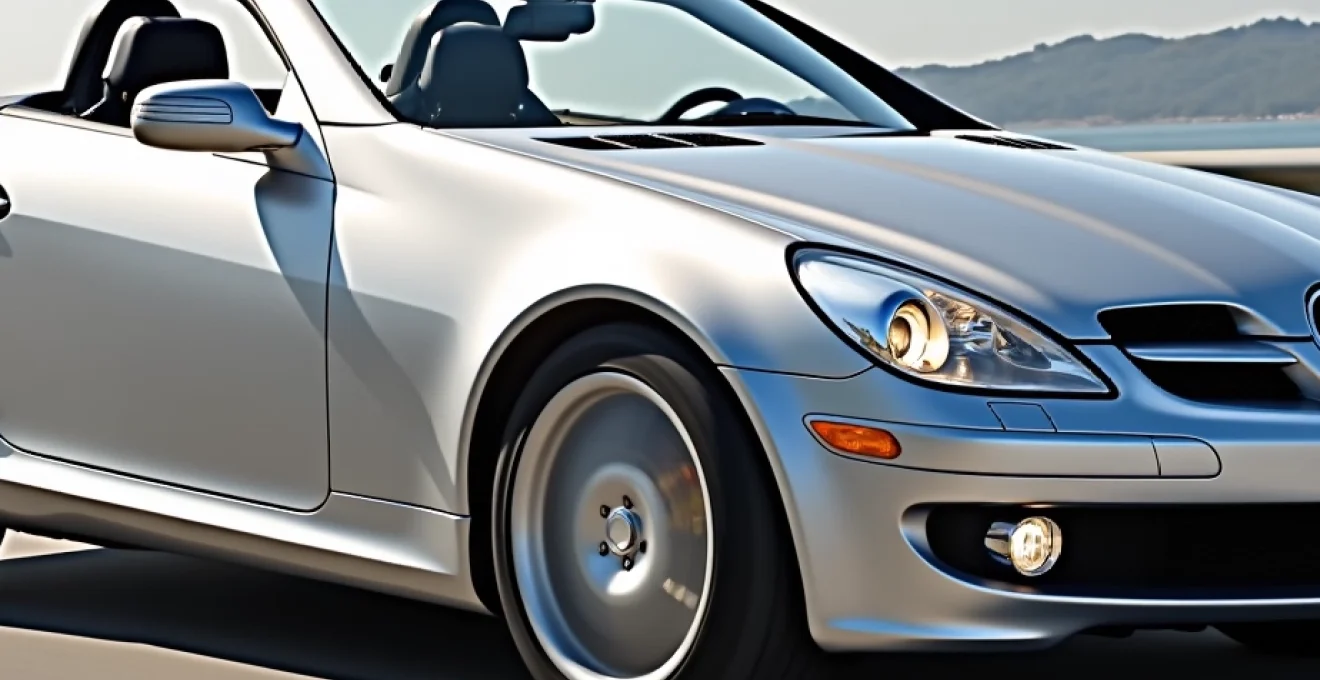
The Mercedes-Benz SLK R171 generation, particularly the 2008 model year variants, represents a compelling proposition in today’s classic roadster market. This second-generation SLK combined the engineering sophistication of Mercedes-Benz with the practicality of a retractable hardtop system, creating a vehicle that delivered both open-air motoring pleasure and year-round usability. The 2008 model year marked a significant milestone in the R171’s production cycle, introducing refined powertrains, enhanced technology packages, and subtle aesthetic improvements that maintained the model’s competitive edge against rivals like the BMW Z4 and Porsche Boxster.
Understanding the technical specifications, common reliability concerns, and market positioning of the 2008 SLK becomes crucial for prospective buyers navigating the used car market. The model’s distinctive Vario-roof system, advanced chassis dynamics, and comprehensive safety equipment established it as a benchmark in the premium roadster segment, whilst its Mercedes-Benz heritage promised long-term durability when properly maintained.
Mercedes-benz SLK 280 and SLK 350 engine specifications and performance metrics
The 2008 Mercedes-Benz SLK lineup featured two primary naturally aspirated V6 engines that defined the model’s character and performance capabilities. These powertrains represented Mercedes-Benz’s commitment to delivering refined performance whilst maintaining the brand’s reputation for engineering excellence and long-term reliability.
V6 3.0-litre M272 engine technical analysis
The SLK 280 utilised the M272 3.0-litre V6 engine, producing 231 horsepower at 6,000 rpm and 300 Nm of torque available continuously between 2,500 and 5,000 rpm. This engine architecture featured a 90-degree V-configuration inherited from Mercedes-Benz’s V8 designs, necessitating a balance shaft system to mitigate inherent vibrations. The M272 incorporated dual overhead camshaft technology with variable valve timing on both intake and exhaust camshafts, enabling optimal performance across the engine’s operating range.
The engine’s bore and stroke dimensions of 88mm x 82.1mm created a relatively oversquare design that favoured higher-rpm power delivery whilst maintaining adequate low-end torque characteristics. The continuous torque delivery between 2,500 and 5,000 rpm represented a remarkable achievement for a naturally aspirated engine, providing exceptional drivability in real-world conditions.
V6 3.5-litre M272 engine power delivery characteristics
The SLK 350 featured the larger-displacement variant of the M272 family, delivering 305 horsepower at 6,500 rpm and 360 Nm of torque from 4,900 rpm. This engine variant showcased Mercedes-Benz’s ability to extract significant performance from naturally aspirated configurations, competing effectively against forced-induction alternatives from rival manufacturers. The power increase over the 3.0-litre variant came primarily through increased displacement and optimised airflow management.
The engine’s ability to rev to 7,200 rpm demonstrated its robust internal construction and sophisticated valvetrain design. This high-rpm capability, combined with the engine’s naturally aspirated configuration, delivered an engaging driving experience that enthusiasts particularly appreciated. The power delivery characteristics provided linear acceleration that complemented the SLK’s grand touring character rather than pursuing outright performance credentials.
7g-tronic automatic transmission integration
Both engine variants could be specified with Mercedes-Benz’s advanced 7G-Tronic automatic transmission, representing cutting-edge transmission technology for the period. This seven-speed unit incorporated adaptive shift logic that learned individual driving patterns and adjusted shift points accordingly. The transmission’s close-ratio gearing enabled the engines to remain within their optimal power bands more effectively than traditional five or six-speed alternatives.
The manual transmission option, a six-speed unit, offered more direct driver engagement and typically appealed to driving enthusiasts seeking maximum control over the vehicle’s performance characteristics. However, the manual transmission’s rarity in the marketplace reflects consumer preferences for convenience, making manual-equipped examples increasingly sought-after among collectors and driving purists.
Fuel consumption NEDC cycle ratings
Under the New European Driving Cycle (NEDC) testing protocol, the SLK 280 achieved combined fuel consumption figures of 9.7 litres per 100 kilometres with the manual transmission, whilst the automatic variant consumed slightly more due to the torque converter’s inherent losses. The SLK 350 recorded consumption figures of approximately 10.5 litres per 100 kilometres, demonstrating reasonable efficiency considering the performance capabilities.
These fuel consumption figures positioned the SLK competitively within the premium roadster segment, particularly when compared to contemporary rivals with similar performance characteristics. The engines’ ability to achieve single-digit consumption figures during highway cruising made them practical choices for extended touring, supporting the SLK’s positioning as a grand tourer rather than a dedicated sports car.
Vario-roof retractable hardtop system engineering and reliability assessment
The SLK’s defining feature remained its innovative Vario-roof system, which transformed the vehicle from a closed coupe to an open roadster in approximately 22 seconds. This electrohydraulic system represented significant engineering complexity, incorporating multiple motors, hydraulic cylinders, and sophisticated control electronics to orchestrate the roof’s movement sequence.
Electrohydraulic roof mechanism operation cycle
The roof operation sequence involved multiple stages, beginning with the rear window lowering and trunk lid opening to accommodate the folding roof sections. The system utilised position sensors and limit switches to ensure precise coordination between mechanical components, whilst hydraulic pressure provided the force necessary to move the substantial hardtop sections. The entire mechanism required careful calibration to prevent mechanical interference and ensure reliable operation across temperature ranges.
Understanding the operation sequence becomes crucial for identifying potential failure points during pre-purchase inspections. Each stage of the roof’s movement should proceed smoothly without hesitation or unusual noises, indicating proper hydraulic pressure and mechanical alignment throughout the system.
Roof seal integrity and water ingress prevention
The SLK’s weatherproofing system incorporated multiple rubber seals and drainage channels designed to prevent water ingress when the roof was closed. The complexity of the folding roof mechanism created numerous potential leak points, particularly around the rear window seal and the junction between roof sections. Regular inspection and maintenance of these seals proved essential for preventing interior water damage.
Drainage channel blockages represented another common concern, as accumulated debris could redirect water flow and cause unexpected leakage paths. The system’s effectiveness relied heavily on proper maintenance intervals and prompt attention to emerging seal degradation before significant water ingress occurred.
Common SLK R171 roof motor failure points
The roof system’s electric motors, particularly those controlling the trunk lid and rear window operations, showed susceptibility to failure after extended service periods. These failures typically manifested as intermittent operation or complete system shutdown, often accompanied by diagnostic trouble codes stored in the vehicle’s electronic control units. Motor replacement required specialised knowledge and calibration procedures to ensure proper system integration.
Hydraulic pump failures also occurred with some frequency, typically causing sluggish roof operation or complete system failure. The hydraulic fluid’s condition and level required regular monitoring, as degraded fluid could accelerate component wear and reduce system reliability. Professional diagnosis often proved necessary to distinguish between hydraulic, electrical, and mechanical failure modes.
Convertible top maintenance schedule requirements
Mercedes-Benz recommended specific maintenance procedures for the Vario-roof system, including periodic lubrication of mechanical linkages and hydraulic system inspection. The roof mechanism benefited from regular exercise, as extended periods of non-use could cause seal degradation and hydraulic component sticking. Annual inspection of drainage channels and seal condition helped prevent more serious problems from developing.
Professional servicing capabilities varied significantly between different service providers, making specialist knowledge increasingly valuable for maintaining system reliability. The complexity of the diagnostic procedures and calibration requirements often necessitated Mercedes-Benz-specific diagnostic equipment for proper troubleshooting and repair procedures.
Chassis dynamics and suspension configuration analysis
The SLK R171’s chassis architecture derived from the contemporary C-Class platform, providing a sophisticated foundation for the roadster’s dynamic characteristics. The suspension system utilised independent configurations front and rear, with MacPherson struts at the front and a multi-link arrangement at the rear axle. This configuration balanced ride comfort with handling precision, creating a character that suited the SLK’s grand touring mission rather than pursuing outright track performance.
The chassis featured significantly improved structural rigidity compared to the original SLK generation, addressing many of the scuttle shake and body flex issues that plagued early convertible designs. The increased torsional stiffness enabled more precise suspension tuning and improved steering feel, whilst reducing the structural stress that could lead to long-term durability concerns. The suspension geometry incorporated anti-dive characteristics at the front and anti-squat properties at the rear, maintaining composed behaviour under braking and acceleration forces.
Electronic stability systems, including ESP and traction control, provided additional safety margins whilst allowing enthusiastic driving when conditions permitted. The systems’ intervention thresholds were calibrated to permit some degree of dynamic behaviour before activating, maintaining driver engagement whilst providing ultimate safety backup. However, these systems could not be completely disabled, limiting the vehicle’s appeal to drivers seeking maximum control authority in controlled environments like race tracks.
The standard wheel and tyre combinations balanced performance with ride quality, though optional larger wheel sizes provided enhanced visual appeal at the expense of some comfort. The 16-inch wheels fitted to base models offered superior ride quality and lower replacement costs, whilst 17-inch options improved handling response and visual presence. The tyre pressure monitoring system, standard across the range, provided early warning of pressure losses that could affect handling characteristics or cause tyre damage.
Interior technology package options and COMAND system integration
The 2008 SLK’s interior technology reflected the era’s transition from analogue to digital systems, featuring a combination of traditional instrumentation with emerging connectivity options. The COMAND system, available as an option, integrated navigation, audio, and communication functions through a central display screen and rotary controller interface. This system represented Mercedes-Benz’s early adoption of integrated infotainment technology, though its operation required familiarisation to utilise effectively.
Audio system options ranged from the standard radio-cassette unit to the premium Harman Kardon Logic7 surround sound system, which utilised advanced digital signal processing to create an immersive listening environment suited to open-top motoring. The system’s ability to compensate for wind noise and external sound intrusion made it particularly effective in convertible applications. Bluetooth connectivity, where fitted, provided hands-free phone operation and audio streaming capabilities that enhanced convenience and safety.
Climate control sophistication varied between trim levels, with the automatic Thermotronic system providing dual-zone temperature control and automatic adjustment based on ambient conditions and sun load sensors. The system’s effectiveness in convertible configuration benefited from the available heated seats and the innovative Airscarf neck-level heating system, which directed warm air flow to occupants’ neck areas to extend comfortable open-top driving seasons.
Ergonomic considerations focused on creating an intuitive driver environment, though the proliferation of controls and switches reflected the period’s approach to feature integration. The instrument cluster combined analogue gauges with digital information displays, providing comprehensive vehicle status information whilst maintaining visual appeal. Memory settings for seats, mirrors, and steering column positions enhanced convenience for multiple drivers, though these features were typically reserved for higher specification models.
Known mechanical issues and preventive maintenance protocols
Long-term ownership of the 2008 Mercedes-Benz SLK requires understanding of several mechanical concerns that emerged as vehicles accumulated mileage and age. These issues, whilst not universal, represent patterns observed across the model range and require proactive maintenance approaches to prevent more serious problems developing over time.
Balance shaft wear and M272 engine longevity
The M272 engine’s balance shaft system, designed to counteract the 90-degree V6’s inherent vibrations, showed susceptibility to wear over extended service periods. Balance shaft bearing wear could cause rattling noises, particularly during cold starts or at idle, and could progress to more serious internal damage if left unaddressed. The condition typically required complete engine disassembly to rectify, making early detection and intervention crucial for controlling repair costs.
Engine oil quality and change intervals played critical roles in balance shaft longevity, with synthetic oil specifications and adherence to Mercedes-Benz service schedules helping to minimise wear rates. Extended drain intervals or inappropriate oil specifications could accelerate component degradation and reduce overall engine life. Regular oil analysis could provide early warning of developing problems before they became audible or caused secondary damage.
Airmatic suspension component degradation patterns
Vehicles equipped with the optional Airmatic suspension system experienced typical air suspension degradation patterns, including air spring leaks, compressor wear, and valve block failures. These components typically required replacement at intervals of 80,000 to 120,000 kilometres, depending on operating conditions and maintenance standards. The system’s complexity made diagnosis challenging without appropriate test equipment, often leading to component replacement based on symptoms rather than definitive testing.
Airmatic system maintenance required attention to air filtration and moisture control, as contaminated air supplies could accelerate component wear and reduce system reliability. The compressor’s duty cycle increased as leaks developed, potentially causing premature failure if underlying problems were not addressed promptly. Professional diagnosis and repair capabilities for Airmatic systems were not universally available, making specialist service access an important consideration for potential buyers.
Electrical system diagnostics and SAM unit failures
The SLK’s sophisticated electrical architecture relied heavily on the Signal Acquisition Module (SAM) units, which controlled numerous vehicle functions including lighting, climate control, and comfort features. SAM unit failures could cause seemingly unrelated electrical problems, often requiring professional diagnosis to identify the root cause. These units showed susceptibility to moisture ingress and corrosion, particularly in vehicles exposed to harsh weather conditions or inadequate maintenance.
Diagnostic procedures for electrical problems required Mercedes-Benz-specific scan tools capable of communicating with the vehicle’s multiple control units and interpreting the complex interaction between systems. Generic diagnostic equipment often proved inadequate for comprehensive troubleshooting, making specialist service capabilities essential for maintaining electrical system reliability over time.
Timing chain tensioner replacement intervals
The M272 engines utilised hydraulic timing chain tensioners that required periodic replacement to maintain proper chain tension and prevent timing component wear. These tensioners showed degradation patterns that typically became apparent between 120,000 and 160,000 kilometres, manifesting as rattling noises during engine startup or under specific load conditions. Prompt replacement prevented chain stretch and potential interference between valves and pistons.
Timing chain service represented a significant maintenance expense, requiring substantial engine disassembly and precise reassembly procedures. The work’s complexity made professional service essential, whilst the parts costs reflected the precision engineering required for proper engine timing control. Preventive replacement based on mileage intervals proved more cost-effective than reactive repair after component failure occurred.
Market valuation factors and purchase inspection checklist
Current market values for 2008 Mercedes-Benz SLK models reflect various factors including mileage, service history, specification levels, and overall condition. Well-maintained examples with comprehensive service records command premium pricing, whilst vehicles showing deferred maintenance or significant wear require careful evaluation to avoid unexpected repair costs. The model’s depreciation curve has stabilised in recent years, suggesting that well-chosen examples may represent sound investments for enthusiasts seeking classic roadster ownership.
Specification levels significantly influence market values, with manual transmission examples commanding particular interest from driving enthusiasts despite their relative rarity. The SLK 350’s additional performance capabilities typically justify its price premium over the SLK 280, though both variants offer compelling ownership propositions when properly maintained. Limited edition variants and vehicles with comprehensive option packages tend to retain value more effectively than basic specification examples.
Pre-purchase inspection priorities should focus on the roof system’s operation, engine mechanical condition, and electrical system functionality. The roof’s complete operation cycle should be demonstrated under various conditions, including temperature extremes where possible. Engine inspection should include assessment of balance shaft condition through careful listening for unusual noises and evaluation of oil consumption patterns. Electrical system checks should verify proper operation of all convenience and safety systems.
Professional inspection by specialists familiar with Mercedes-Benz systems provides valuable insight into potential ownership costs and helps identify vehicles that have received appropriate maintenance throughout their service lives.
Service history documentation becomes crucial for evaluating long-term maintenance standards and identifying vehicles that have received proactive care versus those subjected to minimal maintenance schedules. Mercedes-Benz service records provide confidence in maintenance quality, whilst independent service documentation requires more careful evaluation to ensure appropriate procedures and parts specifications were util
ized. Documentation from recognized Mercedes-Benz specialists or authorized dealers carries particular weight, whilst comprehensive maintenance records spanning the vehicle’s entire service life provide the strongest indication of proper care.
Mechanical inspection should encompass engine bay cleanliness, fluid condition assessment, and evaluation of wear items including brake components, suspension bushings, and drive belts. The presence of aftermarket modifications requires careful consideration, as non-standard components may affect reliability, warranty coverage, and resale value. Original equipment specifications should be verified against the vehicle’s build sheet to ensure authenticity and proper configuration.
Market trends suggest that well-maintained manual transmission examples will continue appreciating, particularly as enthusiast interest in naturally aspirated engines grows. The SLK 350’s performance advantage over the 280 variant typically justifies its higher asking prices, though both models offer compelling ownership experiences when properly maintained. Limited production variants and models with desirable option packages represent potentially stronger long-term investment propositions.
Financial considerations extend beyond purchase price to encompass ongoing maintenance costs, insurance premiums, and potential modification expenses. Mercedes-Benz parts pricing reflects the brand’s premium positioning, whilst labor costs at authorized dealers may exceed independent specialist rates. However, the complexity of modern Mercedes-Benz systems often requires specialized diagnostic equipment and technical knowledge that may justify the additional expense.
Storage and usage patterns significantly influence ownership satisfaction, as these vehicles were designed for regular operation rather than static display. Climate-controlled storage helps preserve interior materials and prevents moisture-related deterioration, whilst regular exercise maintains mechanical systems in proper operating condition. Seasonal operation strategies require attention to battery maintenance, tire pressure monitoring, and fluid condition assessment to ensure reliable performance after storage periods.
The 2008 Mercedes-Benz SLK represents a compelling intersection of engineering sophistication, driving pleasure, and practical usability that continues to reward discerning owners. Successful ownership requires understanding the model’s specific characteristics, maintenance requirements, and potential challenges, but delivers an ownership experience that justifies the investment for those seeking premium roadster motoring. The combination of Mercedes-Benz refinement with open-air driving pleasure creates a unique proposition that remains relevant in today’s automotive landscape.