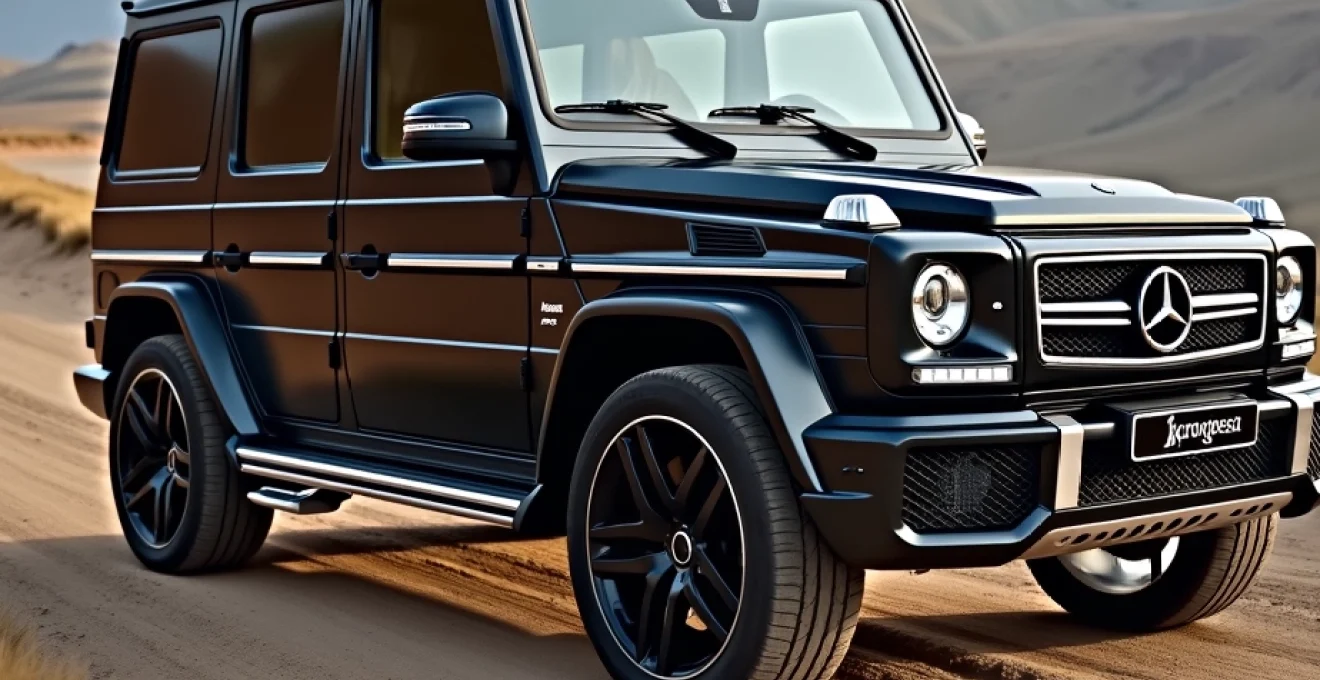
The Mercedes-Benz G-Class 2015 represents the pinnacle of luxury off-road capability, maintaining its distinctive military-inspired design while incorporating modern refinements. Despite its origins dating back to 1979, this iconic vehicle continues to command attention with its uncompromising approach to both performance and prestige. The 2015 model year offered consumers a range of powertrains, from the efficient G350 BlueTEC diesel to the thunderous AMG G63, each designed to tackle different aspects of luxury utility vehicle ownership.
Understanding the complexities of the G-Class requires examining not just its impressive specifications, but also its real-world performance characteristics, reliability patterns, and ownership costs. The vehicle’s unique position in the luxury SUV market makes it essential for potential buyers to grasp both its exceptional capabilities and inherent limitations before making such a significant investment.
Mercedes G-Class 2015 engine specifications and performance analysis
The 2015 Mercedes G-Class lineup showcased the German manufacturer’s commitment to providing diverse powertrain options within a single platform. Each engine variant brought distinct characteristics that catered to different ownership priorities, from fuel efficiency to raw performance. The engineering behind these powertrains reflects decades of refinement, yet each comes with specific considerations that potential buyers must carefully evaluate.
G350 BlueTEC V6 diesel engine technical overview
The G350 BlueTEC represented the most fuel-conscious option in the 2015 G-Class range, utilising a 3.0-litre V6 diesel engine that produced 240 horsepower and 455 lb-ft of torque. This powerplant incorporated Mercedes-Benz’s BlueTEC technology, which employed selective catalytic reduction to meet stringent emissions standards while maintaining robust performance characteristics. The diesel’s low-end torque delivery proved particularly advantageous for off-road situations and towing applications.
Despite its efficiency advantages, the G350 BlueTEC required careful consideration of diesel particulate filter maintenance and the availability of diesel exhaust fluid. The engine’s sophisticated emissions system demanded regular long-distance driving to prevent clogging issues that could result in expensive repairs. Fuel consumption averaged approximately 10.7L/100km in combined driving conditions, making it significantly more economical than its petrol counterparts.
G550 V8 petrol engine power delivery assessment
The heart of the standard G550 was a naturally aspirated 5.5-litre V8 engine generating 382 horsepower and 391 lb-ft of torque. This powerplant provided smooth, linear power delivery that complemented the G-Class’s refined on-road behaviour whilst maintaining adequate performance for challenging terrain. The engine’s traditional construction offered reliability advantages over more complex forced-induction alternatives, though at the expense of fuel efficiency.
Acceleration from standstill to 100 km/h required approximately 6.1 seconds, respectable for a vehicle weighing over 2,400 kilograms. The V8’s character suited the G-Class’s luxury positioning, providing sufficient power reserve for highway overtaking while remaining refined during urban driving scenarios. However, fuel consumption proved substantial, averaging around 14.7L/100km in combined conditions.
AMG G63 biturbo V8 performance metrics
At the pinnacle of the 2015 G-Class range sat the AMG G63, powered by a hand-built 5.5-litre biturbo V8 producing an impressive 536 horsepower and 560 lb-ft of torque. This engine represented AMG’s commitment to extracting maximum performance from the G-Class platform, transforming the utilitarian vehicle into a luxury performance machine. The biturbo configuration delivered immediate throttle response whilst maintaining the broad torque curve essential for off-road capability.
Performance figures reflected the engine’s substantial output, with 0-100 km/h acceleration completed in just 5.4 seconds despite the vehicle’s considerable mass. The AMG’s sophisticated engine management system allowed for multiple driving modes, adapting power delivery characteristics to suit different driving situations. However, this performance came at a significant cost in terms of fuel consumption, with the G63 averaging approximately 18.5L/100km in combined driving.
The AMG G63’s biturbo V8 transforms the utilitarian G-Class into a luxury performance vehicle capable of extraordinary acceleration despite its substantial mass and traditional body-on-frame construction.
Fuel consumption ratings across model variants
Fuel efficiency varied dramatically across the 2015 G-Class range, reflecting the diverse nature of the available powertrains. The G350 BlueTEC diesel achieved the most favourable consumption figures, while the AMG variants prioritised performance over economy. Understanding these differences proved crucial for potential buyers, as fuel costs could significantly impact total ownership expenses over the vehicle’s lifetime.
Real-world consumption often exceeded manufacturer ratings, particularly in urban environments where the G-Class’s substantial mass and aerodynamic limitations became apparent. The vehicle’s brick-like aerodynamics contributed to increased fuel consumption at highway speeds, with all variants showing marked efficiency decreases above 120 km/h. Cold weather operation and frequent short trips further impacted fuel economy across all engine options.
Transmission systems: 7G-TRONIC PLUS analysis
All 2015 G-Class variants utilised Mercedes-Benz’s 7G-TRONIC PLUS automatic transmission, a seven-speed torque converter unit specifically calibrated for each engine variant. The transmission’s programming prioritised smooth operation and fuel efficiency over sporty shift characteristics, reflecting the G-Class’s luxury positioning. Manual shift control via steering wheel paddles provided driver control when desired, though the system’s response remained deliberate rather than razor-sharp.
The transmission’s robustness proved well-suited to the G-Class’s intended applications, handling both the substantial torque outputs and demanding off-road conditions with reliability. However, the unit’s conventional torque converter design contributed to increased fuel consumption compared to more modern dual-clutch or continuously variable alternatives. Service intervals required attention to maintain optimal performance, with transmission fluid changes recommended every 80,000 kilometres under normal operating conditions.
Mercedes G-Class 2015 Off-Road capability and drivetrain technology
The 2015 Mercedes G-Class maintained its reputation as one of the most capable luxury off-road vehicles available, combining traditional mechanical systems with modern electronic aids. The vehicle’s body-on-frame construction provided the structural rigidity necessary for serious off-road work, whilst sophisticated drivetrain components ensured optimal traction distribution across varied terrain. These capabilities set the G-Class apart from unibody luxury SUVs that prioritised on-road refinement over off-road competence.
Permanent All-Wheel drive 4MATIC system configuration
The G-Class employed a permanent all-wheel drive system that distributed power continuously to all four wheels through a sophisticated transfer case. Unlike many modern AWD systems that primarily drive the front or rear wheels under normal conditions, the G-Class’s system maintained constant four-wheel traction. The default torque split favoured the rear wheels with a 40:60 front-to-rear distribution, providing the handling characteristics preferred by luxury vehicle buyers whilst ensuring optimal traction when needed.
Electronic traction control systems worked in conjunction with the mechanical drivetrain components to manage wheel slip across individual corners. The system’s calibration allowed for controlled slip during off-road manoeuvres whilst preventing excessive wheelspin on paved surfaces. This intelligent integration of mechanical and electronic systems provided drivers with confidence-inspiring traction control across diverse driving conditions.
Three differential locks operation and effectiveness
One of the G-Class’s most distinctive features was its trio of differential locks: centre, front, and rear. These mechanical locks could be engaged individually or in combination, providing unprecedented traction capability for extreme off-road situations. The centre differential lock prevented power transfer between axles, ensuring equal distribution to front and rear wheels regardless of traction conditions. Front and rear differential locks eliminated speed differences between wheels on the same axle.
Operation required careful consideration of driving conditions and surface types. Engaging differential locks on high-traction surfaces could result in drivetrain binding and component damage, making driver education essential for proper system utilisation. The locks’ effectiveness in challenging terrain was unmatched among luxury vehicles, allowing the G-Class to traverse obstacles that would stop most competitors. However, the mechanical nature of these systems required more driver input than modern electronic alternatives.
Ground clearance and approach angle specifications
The 2015 G-Class offered impressive ground clearance of 211mm, providing adequate underbody protection for most off-road scenarios. Approach angles measured 31 degrees front and 30 degrees rear, whilst the departure angle reached 30 degrees. These specifications, whilst not class-leading, proved sufficient for recreational off-roading and moderate trail use. The vehicle’s relatively short overhangs contributed to reasonable breakover angles despite its substantial overall length.
Wading depth capabilities reached 600mm, allowing the G-Class to navigate water crossings that would challenge many competitors. The elevated air intake and sealed electrical components supported this capability, though drivers needed to exercise caution around the vehicle’s substantial mass and momentum in water. These specifications made the G-Class genuinely capable beyond paved roads, distinguishing it from luxury SUVs with primarily cosmetic off-road pretensions.
Wading depth and water fording capabilities
Water fording represented one of the G-Class’s most impressive off-road capabilities, with the 600mm wading depth supported by comprehensive waterproofing measures. The air intake positioning and sealed electrical connections allowed for confident water crossing, whilst the body-on-frame construction provided structural integrity in challenging conditions. The differential breathing system prevented water ingestion into axle assemblies during submersion, protecting critical drivetrain components from damage.
However, successful water fording required understanding of proper technique and vehicle limitations. Excessive speed could create bow waves that overwhelmed the air intake, whilst sitting stationary in deep water increased the risk of water ingestion. The G-Class’s substantial mass provided stability in flowing water, but also made recovery more challenging if problems arose. Regular inspection of seals and breathing systems proved essential for maintaining these capabilities over time.
The G-Class’s 600mm wading depth capability, supported by comprehensive waterproofing and elevated air intake positioning, enables confident navigation of water crossings that would challenge most luxury SUVs.
Interior features and technology integration assessment
The 2015 Mercedes G-Class interior represented a fascinating blend of traditional luxury appointments and modern technology integration. The cabin’s design philosophy prioritised durability and functionality over cutting-edge aesthetics, reflecting the vehicle’s utilitarian origins whilst incorporating the premium materials expected from the Mercedes-Benz brand. This approach resulted in an interior that felt both timeless and purposeful, though some elements lagged behind contemporary luxury SUV standards.
Seating accommodation focused on comfort and support rather than maximum space utilisation. The front seats offered extensive adjustment ranges and memory functions, with heating and ventilation available across most trim levels. Rear passenger space proved adequate for adult occupancy, though the upright seating position and relatively narrow interior width limited comfort during extended journeys. The cargo area provided reasonable utility, with the spare tyre mounted externally to maximise interior storage volume.
Technology integration reflected the 2015 model year’s available systems, with the COMAND infotainment unit serving as the central interface. The 7-inch display provided navigation, audio, and vehicle settings control, though the interface felt somewhat outdated compared to contemporary systems. Smartphone integration remained limited, with neither Apple CarPlay nor Android Auto available. The harman/kardon audio system delivered impressive sound quality through its 14-speaker configuration, compensating for some technological limitations with superior acoustic performance.
Climate control systems utilised traditional automatic dual-zone functionality, providing effective temperature management throughout the cabin. The robust HVAC system proved capable of maintaining comfort in extreme conditions, reflecting the G-Class’s global operating requirements. Auxiliary power outlets and USB connections supported basic device connectivity, though the limited number of charging points could prove inconvenient for families with multiple devices. Overall, the interior struck a balance between luxury and functionality that appealed to buyers prioritising substance over style.
Reliability issues and common mechanical faults
Mercedes G-Class reliability in the 2015 model year presented a mixed picture, with robust mechanical components offset by complex electronic systems and expensive maintenance requirements. The vehicle’s traditional body-on-frame construction and proven drivetrain components provided fundamental reliability advantages, whilst sophisticated comfort and convenience features introduced potential failure points. Understanding these patterns proved essential for prospective buyers evaluating long-term ownership costs and potential inconveniences.
Engine reliability varied significantly across the available powertrains, with the naturally aspirated V8 in the G550 demonstrating superior longevity compared to the more complex biturbo units. The diesel G350 BlueTEC required careful attention to emissions system maintenance, with diesel particulate filter issues representing a common concern. Regular regeneration cycles and quality diesel fuel proved essential for maintaining system functionality and preventing expensive repairs that could exceed £3,000 for complete system replacement.
Electronic system malfunctions represented the most frequent reliability concerns, particularly affecting comfort and convenience features. The COMAND infotainment system experienced occasional software glitches and hardware failures, whilst climate control modules showed vulnerability to moisture ingress. Door lock actuators and window regulators demonstrated wear patterns consistent with heavy use, requiring replacement at intervals averaging 80,000 to 120,000 kilometres depending on usage patterns.
Suspension components proved generally robust, though air suspension systems on equipped models required careful maintenance to prevent costly failures. The traditional coil spring setup offered superior long-term reliability at the expense of ride height adjustability. Brake system maintenance costs exceeded typical passenger car levels due to the substantial component sizes required for the G-Class’s mass, with front brake pad replacement intervals averaging 40,000 to 60,000 kilometres under normal driving conditions.
| Component | Common Issues | Typical Repair Cost | Failure Mileage |
|---|---|---|---|
| DPF System | Clogging, sensor failures | £2,500-£4,000 | 80,000-120,000 km |
| Door Actuators | Lock mechanism failure | £400-£600 per door | 60,000-100,000 km |
| COMAND Unit | Screen failure, software bugs | £1,200-£2,000 | Variable |
Market pricing analysis and depreciation trends
The 2015 Mercedes G-Class demonstrated unique depreciation characteristics that differed substantially from typical luxury SUV patterns. Initial purchase prices reflected the vehicle’s exclusive positioning, with the G550 starting around £85,000 and the AMG G63 commanding over £130,000 when new. These premium prices created significant barriers to entry, limiting the initial customer base to affluent buyers who often purchased multiple vehicles or upgraded frequently.
Depreciation curves proved more favourable than many luxury vehicles, with G-Class models retaining approximately 60-65% of their original value after three years. This resilience reflected strong demand in the pre-owned market, where the G-Class’s distinctive appearance and capability attracted buyers seeking alternatives to more common luxury SUVs. The AMG variants showed particular strength in value retention, often maintaining higher percentages of original MSRP than base models.
Regional variations in pricing reflected local market preferences and availability. European markets with strong diesel acceptance showed premium pricing for G350 BlueTEC models, whilst performance-oriented markets favoured AMG variants. The limited production numbers and strong brand recognition contributed to pricing stability that benefited both dealers and private sellers throughout the ownership cycle.
Current market analysis reveals 2015 G-Class models trading between £45,000 and £80,000 depending on variant, mileage, and condition. Low-mileage AMG G63 examples command premium pricing, often exceeding £70,000 for well-maintained specimens. The vehicle’s collector appeal and distinctive character suggest continued strong residual values, particularly for AMG variants and well-documented examples with complete service histories.
Insurance classifications and maintenance cost evaluation
Insurance considerations for the 2015 Mercedes G-Class reflected both the vehicle’s substantial value and its performance capabilities. Classification varied by engine variant, with the AMG G63 typically falling into the highest insurance groups due to its impressive performance statistics and elevated replacement costs. The combination of luxury positioning, high theft des
irability and expensive replacement costs placed these vehicles in high-risk categories for insurers. Base G550 models typically qualified for more moderate insurance classifications, though still exceeded typical luxury SUV premiums due to their substantial values and specialised repair requirements.
Theft risk assessments varied by region, with the G-Class’s distinctive appearance making it both recognisable and desirable to criminals. The vehicle’s robust security systems, including immobiliser technology and alarm systems, provided some protection against unauthorised use. However, the high value of components, particularly wheels and interior elements, created additional security concerns that influenced insurance premiums across all variants.
Maintenance cost structures for the 2015 G-Class reflected both the vehicle’s premium positioning and its mechanical complexity. Annual maintenance expenses typically ranged from £1,200 to £2,500 depending on variant and driving conditions, with AMG models commanding premium service pricing. The body-on-frame construction simplified some maintenance procedures whilst complicating others, particularly those involving drivetrain access and electronic component replacement.
Specialised Mercedes-Benz dealer service proved essential for maintaining warranty coverage and ensuring proper diagnostic capabilities. Independent service providers could handle basic maintenance tasks, though the complexity of electronic systems and specialised tooling requirements often necessitated dealer involvement for major repairs. The substantial service intervals of 15,000 to 20,000 kilometres helped offset high per-service costs, though neglecting scheduled maintenance could result in exponentially increased repair expenses.
| Insurance Group | Model Variant | Annual Premium Range | Risk Factors |
|---|---|---|---|
| 45-50 | G350 BlueTEC | £1,800-£2,500 | High value, theft risk |
| 48-50 | G550 | £2,200-£3,200 | Performance, replacement cost |
| 50 | AMG G63 | £3,500-£5,500 | Extreme performance, high value |
Annual maintenance costs for the 2015 G-Class range from £1,200 for base models to £2,500 for AMG variants, reflecting the vehicle’s premium positioning and mechanical complexity whilst remaining competitive within the luxury SUV segment.
Parts availability generally remained strong through official Mercedes-Benz channels, though pricing reflected the vehicle’s exclusive nature. Common wear items such as brake components, tyres, and filters carried premium pricing that exceeded typical passenger car levels by 50-80%. However, the G-Class’s robust construction meant that major component failures remained relatively infrequent when proper maintenance schedules were followed, helping to balance the high cost of individual repairs against their relative rarity.
Extended warranty options provided valuable protection for buyers concerned about potential repair costs, particularly for complex electronic systems and drivetrain components. Third-party warranty providers offered competitive alternatives to manufacturer coverage, though careful evaluation of coverage terms and exclusions proved essential. The G-Class’s unique characteristics meant that not all warranty providers understood the vehicle’s specific requirements, making informed selection crucial for effective coverage.
Overall ownership costs for the 2015 Mercedes G-Class demanded careful financial planning, with total annual expenses including insurance, maintenance, fuel, and depreciation typically ranging from £8,000 to £12,000 depending on usage patterns and variant selection. These figures placed the G-Class firmly in the luxury ownership category, requiring buyers to carefully consider their long-term financial commitment beyond the initial purchase price. However, for those who could absorb these costs, the G-Class offered a unique combination of luxury, capability, and exclusivity that remained unmatched in the automotive marketplace.