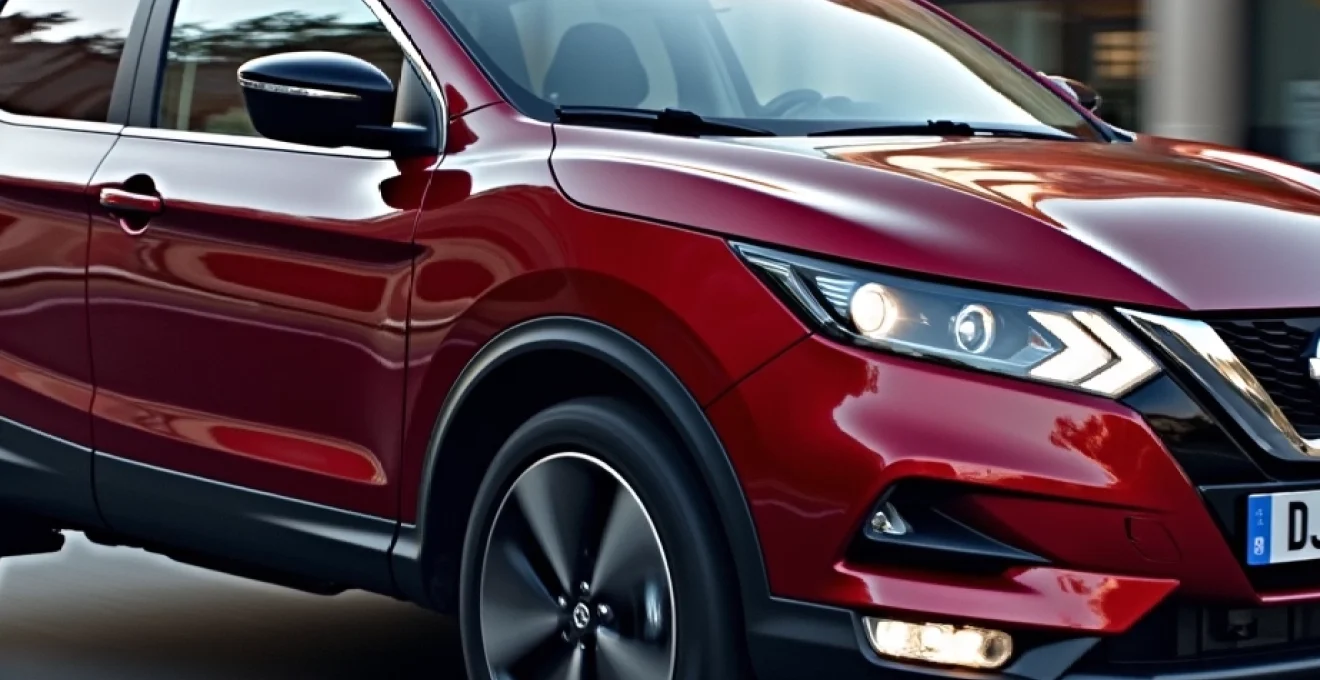
The Nissan Qashqai has established itself as one of Europe’s most popular crossover SUVs since its debut in 2007. As a crucial component of the engine’s operation, the timing system—whether chain or belt—plays a pivotal role in determining maintenance costs, reliability, and overall ownership experience. Understanding which type of distribution system your Qashqai employs can significantly impact your vehicle’s long-term maintenance strategy and budget planning. The choice between timing chains and timing belts reflects different engineering philosophies, each with distinct advantages and challenges that directly affect vehicle performance and owner satisfaction.
Nissan qashqai timing system evolution across model generations
The evolution of timing systems in the Nissan Qashqai reflects broader automotive industry trends towards improved durability and reduced maintenance requirements. Each generation has introduced significant changes to engine design and timing system architecture, demonstrating Nissan’s commitment to engineering excellence and customer satisfaction.
First generation J10 (2007-2013) MR20DE engine timing chain configuration
The original Nissan Qashqai J10 introduced the MR20DE naturally aspirated petrol engine, featuring a sophisticated duplex timing chain system. This 2.0-litre four-cylinder engine utilised a dual-chain configuration with primary and secondary timing chains, providing precise valve timing control and enhanced durability. The primary chain connected the crankshaft to the intermediate shaft, whilst the secondary chain managed the camshaft timing for both intake and exhaust valves.
The MR20DE’s timing chain system incorporated hydraulic tensioners and chain guides manufactured from high-strength materials to minimise stretch and wear. This configuration eliminated the need for regular timing belt replacements, representing a significant advancement in maintenance-free operation. The system’s design philosophy prioritised longevity over initial manufacturing costs, reflecting Nissan’s confidence in chain-driven technology for mainstream applications.
Second generation J11 (2014-2021) HR16DE and MR20DD engine distribution systems
The second-generation Qashqai introduced a diverse engine portfolio, including both chain and belt-driven timing systems depending on the specific powerplant. The HR16DE 1.6-litre naturally aspirated engine continued with timing chain technology, whilst certain diesel variants employed timing belts to manage cost and packaging constraints. This generation marked a transitional period where Nissan experimented with different timing system approaches based on engine characteristics and market positioning.
The MR20DD direct-injection engine featured an advanced variable valve timing system integrated with a sophisticated chain-driven mechanism. This configuration enabled precise control over valve timing events, contributing to improved fuel economy and emissions performance. The integration of direct injection technology with chain-driven timing systems demonstrated the adaptability of chain mechanisms to accommodate complex valve control strategies.
Third generation J12 (2021-present) HR12DDT and HR13DDT engine timing mechanisms
The latest Qashqai generation has embraced advanced turbocharged engine technology with the HR12DDT 1.2-litre and HR13DDT 1.3-litre units, both employing sophisticated timing chain systems. These engines represent the culmination of Nissan’s chain-driven technology development, incorporating lessons learned from previous generations to deliver exceptional reliability and performance. The timing chains in these engines feature advanced materials and coatings to resist stretch and wear under the increased stresses of turbocharged operation.
The HR13DDT engine, developed in collaboration with Mercedes-Benz, showcases state-of-the-art timing chain technology with integrated variable compression ratio capability. This revolutionary system adjusts the compression ratio dynamically based on operating conditions, requiring precise timing chain control to maintain optimal engine performance across all operating ranges.
Renault-nissan alliance engine platform timing system standardisation
The Renault-Nissan Alliance has significantly influenced timing system choices across both brands’ vehicle portfolios. Shared engine development programmes have led to standardised timing system architectures, reducing development costs whilst maintaining engineering excellence. This collaboration has resulted in proven timing chain designs being deployed across multiple vehicle platforms, enhancing reliability through extensive real-world testing and refinement.
The alliance’s approach to timing system standardisation has enabled economies of scale in component manufacturing and service support. Common timing chain components across different engine families have simplified parts inventory management and technician training requirements, benefiting both manufacturers and service networks.
Technical comparison: timing chain vs timing belt distribution systems
The fundamental differences between timing chains and timing belts extend far beyond simple material composition, encompassing durability characteristics, maintenance requirements, and performance implications. Understanding these distinctions enables informed decision-making when selecting a vehicle or planning maintenance strategies. Modern automotive engineering continues to refine both technologies, with each system offering unique advantages depending on specific application requirements and design priorities.
Duplex timing chain durability and maintenance requirements
Duplex timing chains represent the pinnacle of chain-driven timing system technology, utilising two parallel chains to distribute loads and enhance reliability. These systems typically demonstrate exceptional longevity, often lasting the entire engine lifespan when properly maintained. The metallic construction resists temperature extremes and chemical degradation, making chains particularly suitable for high-performance and turbocharged applications where operating conditions are demanding.
Maintenance requirements for timing chain systems focus primarily on ensuring adequate lubrication and monitoring chain tension. Regular oil changes with manufacturer-specified lubricants are crucial for maintaining chain and tensioner performance. Unlike timing belts, chains operate in an oil-bathed environment, making them less susceptible to environmental contamination but more dependent on oil quality and change intervals.
Timing chain systems in modern Qashqai engines are designed to operate maintenance-free for up to 200,000 kilometres under normal operating conditions, representing a significant advantage over belt-driven alternatives.
Rubber timing belt service intervals and replacement costs
Timing belts require periodic replacement based on mileage or time intervals, typically ranging from 60,000 to 120,000 kilometres depending on the specific engine application. The rubber construction, whilst lighter and quieter than chains, is susceptible to degradation from heat, ozone, and chemical exposure. Belt replacement represents a significant maintenance event, often coinciding with water pump and tensioner replacement to maximise reliability and cost-effectiveness.
The cost implications of timing belt maintenance extend beyond the belt itself, encompassing associated components such as tensioners, idler pulleys, and water pumps. Professional installation is essential due to precise timing requirements and potential engine damage from incorrect installation. However, the initial manufacturing costs of belt-driven systems are typically lower than chain alternatives, reflecting simpler component designs and materials.
Variable valve timing (VVT) integration with Chain-Driven camshafts
Modern timing chain systems excel at accommodating variable valve timing technologies, providing the precision and stability required for advanced VVT systems. The rigid connection between crankshaft and camshaft enables accurate phase control, essential for optimising engine performance across varying operating conditions. Chain-driven systems can more effectively handle the additional loads imposed by VVT actuators without compromising timing accuracy.
The integration of VVT systems with timing chains requires sophisticated tensioning mechanisms to maintain optimal chain tension throughout the variable timing range. Hydraulic tensioners automatically adjust to compensate for thermal expansion and chain stretch, ensuring consistent performance regardless of operating conditions. This capability makes chain-driven systems particularly suitable for engines featuring multiple camshaft phasing systems.
Engine performance impact: chain stretch vs belt tooth wear
Chain stretch represents the primary wear mechanism in timing chain systems, gradually affecting valve timing accuracy as the chain elongates with use. Modern chains utilise advanced materials and manufacturing techniques to minimise stretch rates, maintaining timing accuracy throughout their service life. Sophisticated tensioning systems compensate for minor chain elongation, preserving engine performance and emissions compliance.
Timing belt tooth wear manifests differently, typically resulting in sudden failure rather than gradual degradation. The toothed belt design provides positive engagement with sprockets, eliminating slip but creating stress concentrations at tooth roots. Belt failure modes include tooth shearing, belt separation, and tensile cord breakage, each potentially causing catastrophic engine damage in interference engine designs.
Interference vs Non-Interference engine design implications
The distinction between interference and non-interference engine designs significantly affects the consequences of timing system failure. Interference engines, where piston and valve travel paths overlap, face potential catastrophic damage if timing system failure occurs. Non-interference designs provide greater tolerance for timing system failures, typically resulting in engine stoppage without internal damage.
Most modern Qashqai engines employ interference designs to maximise compression ratios and performance efficiency. This design philosophy necessitates highly reliable timing systems and adherence to maintenance schedules to prevent costly engine damage. The choice between chain and belt systems becomes particularly critical in interference engines, where failure consequences are severe.
Nissan qashqai engine variants and their timing system specifications
The comprehensive range of engines offered in the Nissan Qashqai across different model years reflects diverse customer needs and market requirements. Each engine variant employs specific timing system technology optimised for its intended application, performance characteristics, and target market positioning. Understanding the timing system specifications for each engine helps owners make informed maintenance decisions and anticipate service requirements.
| Engine Code | Displacement | Timing System | Service Interval |
|---|---|---|---|
| MR20DE | 2.0L Petrol | Timing Chain | Maintenance-Free |
| HR16DE | 1.6L Petrol | Timing Chain | Maintenance-Free |
| HR13DDT | 1.3L Turbo | Timing Chain | Maintenance-Free |
| K9K | 1.5L Diesel | Timing Belt | 120,000km/5 years |
| M9R | 2.0L Diesel | Timing Belt | 150,000km/6 years |
The diesel engines in the Qashqai lineup predominantly utilise timing belt systems, reflecting cost optimisation strategies and specific performance requirements of compression ignition engines. The K9K 1.5-litre and M9R 2.0-litre diesel engines employ reinforced timing belts designed to withstand the higher compression ratios and combustion pressures characteristic of diesel operation. These engines require periodic belt replacement according to manufacturer specifications to maintain reliability and prevent engine damage.
Petrol engines across the Qashqai range consistently employ timing chain technology, demonstrating Nissan’s confidence in chain durability for spark ignition applications. The progression from naturally aspirated to turbocharged petrol engines has maintained chain-driven timing systems, with enhancements to accommodate increased operating stresses and temperature ranges associated with forced induction.
Timing chain maintenance and diagnostic procedures for qashqai models
Maintaining timing chain systems in Nissan Qashqai models requires understanding the interconnected components and their failure modes. Effective maintenance strategies focus on preventive measures rather than reactive repairs, emphasising the importance of proper lubrication, regular inspections, and early problem detection. Professional diagnostic techniques enable accurate assessment of timing chain condition and identification of potential issues before they result in costly failures.
Timing chain tensioner inspection and replacement protocols
Timing chain tensioners represent the most common failure point in chain-driven systems, requiring regular inspection and eventual replacement during the vehicle’s service life. Hydraulic tensioners rely on engine oil pressure for operation, making them sensitive to oil quality and change intervals. Signs of tensioner failure include rattling noises during startup, rough idle conditions, and timing-related diagnostic trouble codes.
Professional tensioner replacement procedures involve careful timing mark alignment and specialised tools to prevent engine damage during service. The tensioner replacement process typically includes chain guide inspection, oil pump drive chain assessment, and verification of timing accuracy using precision measuring equipment. Labour-intensive procedures necessitate skilled technicians familiar with Nissan timing system specifications and service protocols.
Chain guide rail wear assessment techniques
Chain guide rails experience gradual wear from continuous contact with moving timing chains, potentially leading to chain misalignment and accelerated wear. Visual inspection techniques involve examining guide rail surfaces for scoring, material loss, and dimensional changes that could affect chain positioning. Advanced diagnostic methods utilise borescope inspection through access ports to evaluate guide rail condition without complete engine disassembly.
Guide rail replacement often coincides with timing chain service, as access requirements are similar and component wear rates correlate. Preventive replacement of guide rails during major timing system service helps ensure continued system reliability and prevents subsequent failures that could necessitate additional repairs. Quality replacement parts meeting or exceeding original equipment specifications are essential for maintaining system durability.
Crankshaft position sensor and camshaft position sensor calibration
Accurate timing system operation depends on precise feedback from crankshaft and camshaft position sensors, requiring proper calibration following any timing system service. These sensors provide critical information to the engine control module for ignition timing, fuel injection timing, and variable valve timing control. Sensor calibration procedures involve specific relearning sequences using professional diagnostic equipment to establish correct timing relationships.
Sensor-related issues can mimic timing chain problems, necessitating comprehensive diagnostic approaches to isolate actual component failures. Professional diagnostic equipment enables real-time monitoring of sensor signals and timing relationships, facilitating accurate problem identification and repair verification. Proper sensor calibration following timing system service ensures optimal engine performance and emissions compliance.
Engine rattling noise diagnosis: timing chain vs VVT actuator issues
Distinguishing between timing chain-related noise and variable valve timing actuator issues requires systematic diagnostic approaches and professional expertise. Timing chain rattling typically occurs during startup and may persist until oil pressure stabilises, whilst VVT actuator noise often manifests during specific engine speed ranges or load conditions. Diagnostic techniques include stethoscope listening, frequency analysis, and component-specific tests to isolate noise sources.
Professional diagnosis of timing system noise requires understanding the acoustic characteristics of different component failures and their relationship to engine operating conditions.
Oil quality significantly influences both timing chain and VVT actuator noise levels, with contaminated or degraded oil causing increased friction and noise generation. Regular oil analysis can identify potential problems before they result in component damage, enabling proactive maintenance strategies. Preventive oil change intervals based on operating conditions rather than arbitrary mileage targets help maintain timing system longevity and performance.
Cost analysis: timing system repair and replacement economics
Understanding the economic implications of timing system maintenance and repair enables informed decision-making regarding vehicle ownership and service strategies. The total cost of ownership varies significantly between chain and belt-driven systems, encompassing initial vehicle cost, routine maintenance expenses, and potential repair costs. Long-term economic analysis reveals the true value proposition of each timing system technology, considering both planned maintenance and unexpected repair scenarios.
Timing chain systems typically demonstrate lower total maintenance costs over vehicle lifetime despite higher initial manufacturing costs. The maintenance-free operation eliminates periodic replacement expenses associated with timing belts, whilst the robust construction reduces the likelihood of premature failure. However, chain system repairs, when necessary, often involve higher labour costs due to increased complexity and component accessibility challenges.
| System Type | Initial Cost | Maintenance Cost (100k km) | Failure Risk |
|---|---|---|---|
| Timing Chain | Higher | £200-400 | Low |
| Timing Belt | Lower | £800-1200 | Moderate |
Professional service costs vary significantly based on engine configuration, labour accessibility, and regional market factors. Timing belt replacement typically includes associated components such as tensioners, water pumps, and seals, increasing total service costs beyond the belt itself. Chain system maintenance focuses on oil quality and change intervals, representing more predictable and manageable expense patterns throughout vehicle ownership.
The economic impact of timing system failure differs dramatically between chain and belt systems, particularly in interference engine designs. Belt failure often results in catastrophic engine damage requiring extensive repairs
or complete engine replacement, with costs potentially exceeding £5,000. Chain system failures, whilst less common, typically involve specific component replacement rather than comprehensive engine rebuilding, resulting in more manageable repair costs despite higher labour requirements.
Regional variations in labour rates significantly affect timing system service costs, with metropolitan areas typically commanding premium pricing compared to rural locations. Independent specialists often provide competitive pricing for timing system repairs whilst maintaining professional service standards. Dealer service departments may charge premium rates but offer manufacturer-backed warranties and access to latest technical service bulletins and diagnostic procedures.
Common timing system failures and preventive maintenance strategies
Understanding common failure modes in Nissan Qashqai timing systems enables proactive maintenance strategies that prevent costly repairs and extend component life. The interconnected nature of timing system components means that early intervention can prevent cascading failures that affect multiple systems. Comprehensive preventive maintenance programmes address both immediate component needs and long-term system reliability through systematic inspection and service protocols.
Oil quality represents the single most critical factor affecting timing chain system longevity, with contaminated or degraded lubricants causing accelerated wear and component failure. Modern engines operating under extended service intervals require high-quality synthetic oils meeting manufacturer specifications to maintain adequate protection. Regular oil analysis programmes can identify contamination sources and degradation patterns before they compromise timing system components.
Timing chain stretch occurs gradually over time, initially causing subtle changes in valve timing that may manifest as reduced performance or increased emissions. Advanced diagnostic equipment can measure chain stretch precisely, enabling replacement decisions based on actual component condition rather than arbitrary mileage intervals. Early chain replacement prevents secondary damage to guides, tensioners, and variable valve timing components that could substantially increase repair costs.
Water pump integration with timing belt systems in diesel Qashqai models requires coordinated replacement strategies to maximise reliability and cost-effectiveness. Belt-driven water pumps experience similar service life patterns to timing belts, making simultaneous replacement the preferred maintenance approach. This strategy eliminates duplicate labour costs and ensures all related components receive fresh service life simultaneously.
Preventive maintenance programmes that address timing system components proactively typically reduce total ownership costs by 30-40% compared to reactive repair strategies, whilst significantly improving vehicle reliability and resale value.
Environmental factors significantly influence timing system component life, with extreme temperature conditions, dusty environments, and stop-start driving patterns accelerating wear rates. Urban driving conditions with frequent cold starts place additional stress on hydraulic tensioners and chain guides, requiring more frequent inspection intervals. Highway driving patterns typically extend component life through consistent operating temperatures and reduced thermal cycling stress.
Professional diagnostic capabilities have evolved significantly with the introduction of advanced engine management systems in modern Qashqai models. Real-time monitoring of timing chain position, variable valve timing operation, and related sensor inputs enables precise problem identification and repair verification. These diagnostic capabilities allow technicians to distinguish between timing system mechanical issues and electronic control problems that may present similar symptoms.
The integration of turbocharged engines in the latest Qashqai generation has introduced new considerations for timing system maintenance, with increased operating temperatures and pressures affecting component wear rates. Turbocharged engines require more frequent oil change intervals and higher specification lubricants to maintain timing chain system integrity. The additional complexity of variable compression ratio systems in some engines necessitates specialised diagnostic equipment and training for effective service.
Quality replacement parts selection significantly affects timing system repair longevity and reliability, with counterfeit or substandard components causing premature failure and potential engine damage. Original equipment manufacturer parts or equivalent quality alternatives ensure proper fit, function, and durability characteristics. Professional installation using manufacturer-specified procedures and torque specifications prevents assembly-related failures that could compromise repair effectiveness.
Timing system maintenance scheduling should consider both mileage and time intervals, as rubber components in belt-driven systems degrade with age regardless of usage patterns. Vehicles with low annual mileage require time-based maintenance intervals to prevent age-related component failures. Fleet operators and high-mileage users may benefit from condition-based maintenance programmes that utilise diagnostic monitoring to optimise service intervals based on actual component wear rates.
The future evolution of timing system technology in automotive applications continues to favour chain-driven designs for their durability and maintenance-free operation characteristics. Nissan’s commitment to chain technology in petrol engines reflects industry trends towards reduced maintenance requirements and improved customer satisfaction. Understanding these technological directions helps current Qashqai owners appreciate the engineering sophistication of their vehicles and make informed decisions regarding long-term ownership strategies.