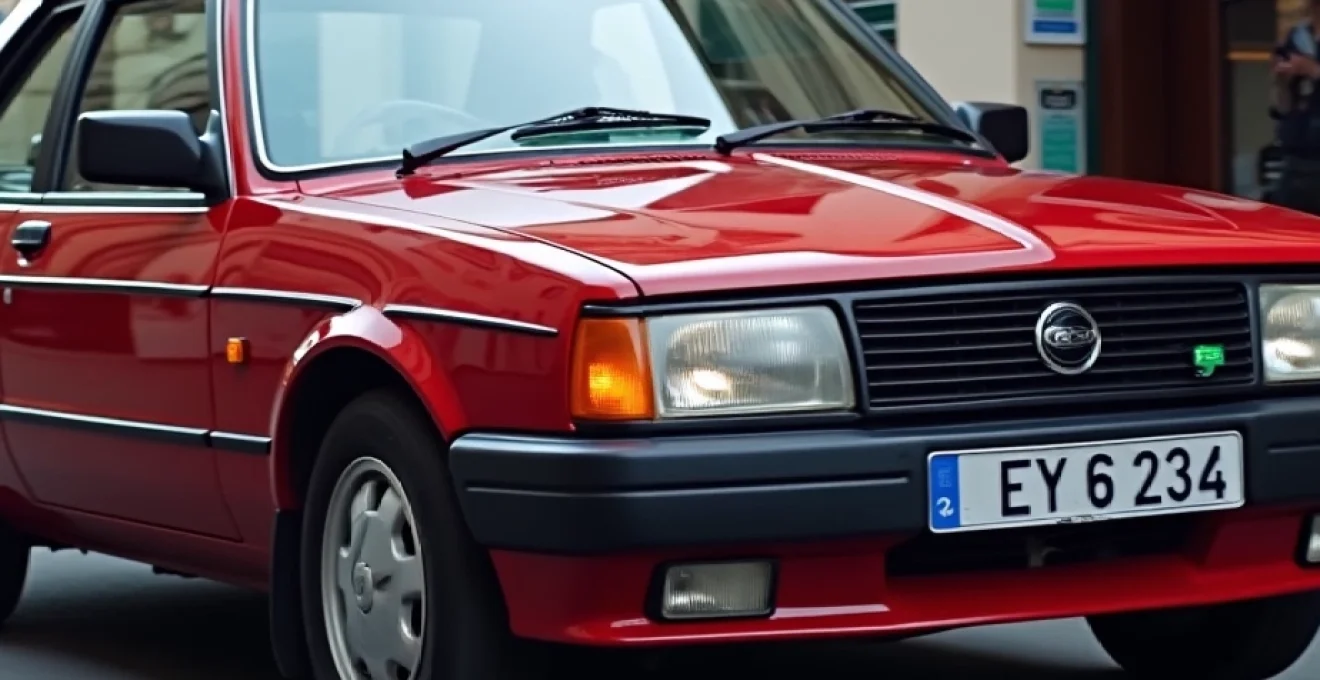
The Rover 200 Coupé, internally known as the “Tomcat,” represents one of the most intriguing performance vehicles to emerge from the British automotive industry during the early 1990s. With its distinctive targa-style removable roof panels and potent turbocharged powerplant, this rare coupé offers enthusiasts a unique blend of British engineering and driving excitement that remains largely underappreciated in today’s classic car market. However, purchasing one of these increasingly scarce vehicles requires careful consideration of numerous technical factors, structural concerns, and maintenance requirements that can significantly impact both ownership costs and long-term reliability.
The complexity of the Rover 200 Coupé’s engineering, particularly in its most desirable 220 Turbo configuration, demands a methodical approach to pre-purchase inspection. From the sophisticated T16 turbocharged engine management system to the intricate bodywork construction that supports the removable roof mechanism, every aspect requires thorough evaluation. Understanding the specific failure patterns, common maintenance issues, and critical inspection points will help potential buyers make informed decisions about these remarkable yet demanding machines.
Engine bay assessment and T16 turbocharged unit inspection
The heart of any Rover 200 Coupé Turbo lies in its engine bay, where the T16 turbocharged unit demands particular attention during pre-purchase inspection. This sophisticated powerplant, producing 200 horsepower from its 2.0-litre displacement, represents advanced engineering for its era but carries specific vulnerabilities that require careful assessment. The engine bay layout, with its distinctive plenum marked “injection” and the turbocharger assembly clearly visible, provides immediate visual confirmation of the vehicle’s specification.
T16 engine block integrity and cylinder head gasket condition
The T16 engine block requires comprehensive evaluation, beginning with a thorough inspection for oil leaks around the camshaft seals, particularly on the distributor side where leakage often remains hidden until significant contamination occurs. These leaks can compromise the timing belt, leading to catastrophic engine failure if left unaddressed. The cylinder head gasket condition presents another critical concern, with minor seepage from the front right-hand side being acceptable, but extensive leakage indicating imminent replacement requirements. Klinger gaskets offer improved reliability over original specifications, though they don’t guarantee permanent resolution of seepage issues.
Garrett T25 turbocharger housing and wastegate operation
The Garrett T25 turbocharger assembly requires specific attention to the wastegate actuator operation and overall housing condition. During inspection, removing the intercooler-to-throttle body pipe reveals crucial information about turbocharger health through oil residue analysis. While minimal oil presence remains normal due to the crankcase breather system, excessive quantities indicate turbocharger seal failure or bearing wear. The wastegate should operate smoothly without binding, and the actuator arm movement should correspond correctly to boost pressure changes during engine operation.
Intercooler pipework and boost leak detection methods
The intercooler system’s integrity directly affects engine performance and longevity, making thorough inspection essential. All silicone hoses require examination for splits, particularly at connection points where constant pressure cycling causes fatigue failures. The intercooler core itself should show no signs of internal damage or excessive oil contamination. Professional boost leak testing using compressed air can reveal minor leaks that significantly impact performance, though many enthusiasts overlook this crucial diagnostic step during casual inspections.
Engine management ECU diagnostics and fault code analysis
The Lucas engine management system controlling the T16 unit presents unique diagnostic challenges, particularly regarding sensor failures and wiring harness degradation. The ECU’s location makes it vulnerable to moisture ingress, while the various sensors throughout the engine bay suffer from age-related deterioration. During inspection, connecting diagnostic equipment reveals stored fault codes that may indicate intermittent problems not immediately apparent during test drives. The throttle position sensor, manifold absolute pressure sensor, and coolant temperature sensor commonly fail, causing irregular idle conditions and poor performance characteristics.
Transmission and drivetrain evaluation for CVT and manual variants
The transmission options available in the Rover 200 Coupé range from the standard five-speed manual gearbox to the more complex CVT automatic system introduced later in the production run. Each presents distinct inspection requirements and potential failure modes that significantly impact ownership costs and driving satisfaction. The manual transmission, while generally reliable, suffers from specific wear patterns that require careful evaluation, particularly regarding synchromesh condition and clutch hydraulic system integrity.
CVT transmission fluid quality and metal particle analysis
The CVT automatic transmission, though innovative for its time, presents considerable challenges for potential buyers due to its complex construction and limited repair network availability. Fluid condition analysis reveals critical information about internal component wear, with metal particles indicating belt or pulley deterioration. The characteristic CVT fluid colour should remain translucent without excessive darkening or metallic contamination. Many specialists refuse CVT repair work due to the system’s complexity, making fluid condition assessment absolutely crucial during pre-purchase inspection. The transmission should engage smoothly without jerking or hesitation, while the characteristic CVT operation should produce seamless acceleration without traditional gear change points.
Manual gearbox synchromesh wear and clutch hydraulic system
The five-speed manual gearbox fitted to most Rover 200 Coupé variants demonstrates reasonable reliability when properly maintained, though specific wear patterns commonly affect gear selection quality. Third and fourth gear synchromesh components frequently wear prematurely, causing crunching noises during rapid gear changes. The clutch hydraulic system requires particular attention, as the release bearing often seizes within its guide sleeve, preventing proper clutch operation. During test drives, listen carefully for gear whine in fifth gear and grinding noises when engaging any gear from neutral, as these symptoms indicate internal wear requiring expensive repair work.
Differential mount condition and driveshaft universal joint inspection
The front differential mounting system, integrated within the transmission housing, requires evaluation for wear and movement that can cause vibration and poor power delivery. The Torsen limited-slip differential fitted to genuine 220 Turbo models provides superior traction but demands specific inspection techniques to verify its continued operation. Driveshaft inspection focuses on the constant velocity joints, which commonly wear due to torn protective boots allowing contamination ingress. Universal joint wear manifests as clicking sounds during tight manoeuvres and vibration under acceleration, particularly noticeable when exiting car parks or navigating tight corners at low speeds.
Power steering rack end float and steering column UJ assessment
The power-assisted rack and pinion steering system generally provides reliable service but suffers from specific failure modes that affect driving precision and safety. Rack end float develops over time, creating excessive steering wheel movement before directional changes occur. The power steering pump commonly develops internal wear, producing characteristic whining noises during operation, particularly when turning at low speeds. Steering column universal joint wear creates clicking or knocking sounds during steering input, while the steering wheel position should remain centred during straight-line driving without constant correction requirements.
Bodywork corrosion patterns and structural integrity analysis
The Rover 200 Coupé’s bodywork construction presents unique challenges due to its removable roof panel system and the structural modifications required to accommodate this feature. Unlike conventional fixed-roof vehicles, the targa-style construction places additional stress on specific body areas, creating predictable corrosion patterns and structural weakness points that require careful evaluation. The body panels themselves demonstrate typical 1990s British construction quality, with certain areas proving particularly vulnerable to rust development over time.
Structural sill inspection demands particular attention, as these components carry significant loads in the absence of a fixed roof structure. Both sills require thorough examination for rust penetration, paying special attention to the rear sections where water ingress commonly occurs. The distinctive appearance of professional repairs versus amateur patch jobs becomes crucial when evaluating overall structural integrity. Bubble formations in the paintwork often indicate rust pushing through from behind, while suspicious underseal application may conceal previous repair attempts or ongoing corrosion issues.
The rear quarter panels and wheelarch areas demonstrate consistent vulnerability to corrosion, particularly where the bumper mounting points create water traps. These panels frequently show rust development long before other body areas, making their condition an excellent indicator of overall vehicle care and maintenance standards. The door bottom edges, windscreen surround, and rear light mounting areas complete the primary corrosion inspection points, each requiring detailed examination with appropriate lighting to reveal early-stage rust formation.
The removable roof panel system creates unique structural stresses that accelerate wear in specific body areas, making thorough inspection of the targa mechanism and surrounding structure absolutely essential for long-term reliability.
Panel fit assessment reveals important information about accident damage history, as the Rover 200 Coupé’s construction makes achieving perfect panel alignment challenging even during professional repairs. Bumper mounting and alignment provide clear indicators of previous impact damage, while door and bonnet gaps should remain consistent around their perimeters. The rear pillars between the rear window and side glass frequently bend during significant rear impacts, creating permanent alignment issues that compromise both appearance and structural integrity.
Interior components and electrical system diagnostics
The interior environment of the Rover 200 Coupé reflects the premium positioning Rover intended for this model, featuring higher-quality materials and more sophisticated electrical systems than contemporary budget vehicles. However, the complexity of these systems, combined with typical British electrical reliability concerns of the era, creates numerous potential failure points that require systematic evaluation. The leather upholstery quality varies significantly between production years, with later models featuring particularly poor-grade materials prone to premature splitting even at low mileages.
Seat wear patterns provide valuable insight into actual vehicle usage, with driver’s seat bolster wear being particularly common due to the coupé’s low seating position requiring more substantial entry and exit movements. The distinctive interior trim panels, particularly the rear sections, commonly detach due to failed mounting clips, though replacement clips remain readily available from specialist suppliers. Electrical system evaluation should encompass all major functions, including the central locking system, electric window operation, and climate control functionality, as repairs can prove expensive due to component scarcity.
The alarm and immobiliser system requires specific attention, as failure of these security systems can prevent vehicle operation entirely. The remote control fob operation should function reliably across reasonable distances, while the interior light switches commonly fail due to moisture ingress, though cleaning or replacement resolves most issues affordably. Dashboard warning lights provide crucial diagnostic information about various system conditions, making their proper operation essential for ongoing maintenance planning.
Modern diagnostic equipment reveals stored fault codes that may indicate intermittent problems not immediately apparent during test drives, providing valuable insight into potential future repair requirements and maintenance costs.
Market valuation and insurance classification considerations
The Rover 200 Coupé market demonstrates fascinating dynamics that reflect both the model’s rarity and the broader perception of Rover vehicles following the marque’s collapse in 2005. Current market valuations range dramatically based on condition, specification, and maintenance history, with pristine examples commanding significantly higher prices than their condition might suggest in other marques. The 220 Turbo variant represents the most desirable specification, though finding genuinely unmolested examples becomes increasingly challenging as time progresses.
Insurance classification varies considerably between providers, with some treating these vehicles as modern classics deserving of specialist coverage, while others apply standard policies that may not reflect their true replacement value. The rarity factor works both for and against owners, as limited production numbers increase desirability but also make parts sourcing more challenging and expensive. Specialist insurance providers often offer more appropriate coverage levels and agreed value policies that better protect against total loss scenarios.
Market trends suggest steady appreciation for well-maintained examples, particularly those with comprehensive maintenance records and original specifications preserved. The limited production run of approximately 25,000 coupés across all variants means surviving examples in excellent condition will likely continue appreciating, making careful purchase decisions increasingly important for both enthusiasts and investors. Regional variations in pricing reflect local market conditions and specialist garage availability, with areas having Rover-knowledgeable mechanics generally supporting higher values.
Pre-purchase professional inspection checklist and documentation requirements
Professional inspection services provide invaluable expertise when evaluating Rover 200 Coupé purchases, particularly given the model’s unique engineering features and specific failure modes. Comprehensive pre-purchase inspections should encompass all major mechanical systems, structural integrity assessment, and electrical functionality verification. The investment in professional evaluation often proves cost-effective by identifying expensive problems before purchase completion, enabling informed negotiation or alternative vehicle selection.
Documentation requirements extend beyond basic service records to include specific maintenance items critical to long-term reliability. Timing belt replacement evidence becomes particularly important given the interference engine design that can cause catastrophic damage if belt failure occurs. Turbocharger service records provide insight into previous maintenance quality, while oil change intervals reveal owner commitment to proper care of the high-performance engine. Complete electrical system diagnostics should form part of any professional inspection, given the complexity and potential cost of electrical repairs.
The ideal documentation package includes photographic evidence of major component conditions, compression test results, and boost pressure measurements for turbocharged variants. Professional inspectors familiar with Rover products can identify subtle signs of problems that casual inspection might miss, while their experience with similar vehicles provides valuable context for assessing overall condition and value. Insurance documentation should confirm the vehicle’s identity and specification, as some examples have been modified or re-engined over the years, affecting both performance and value.