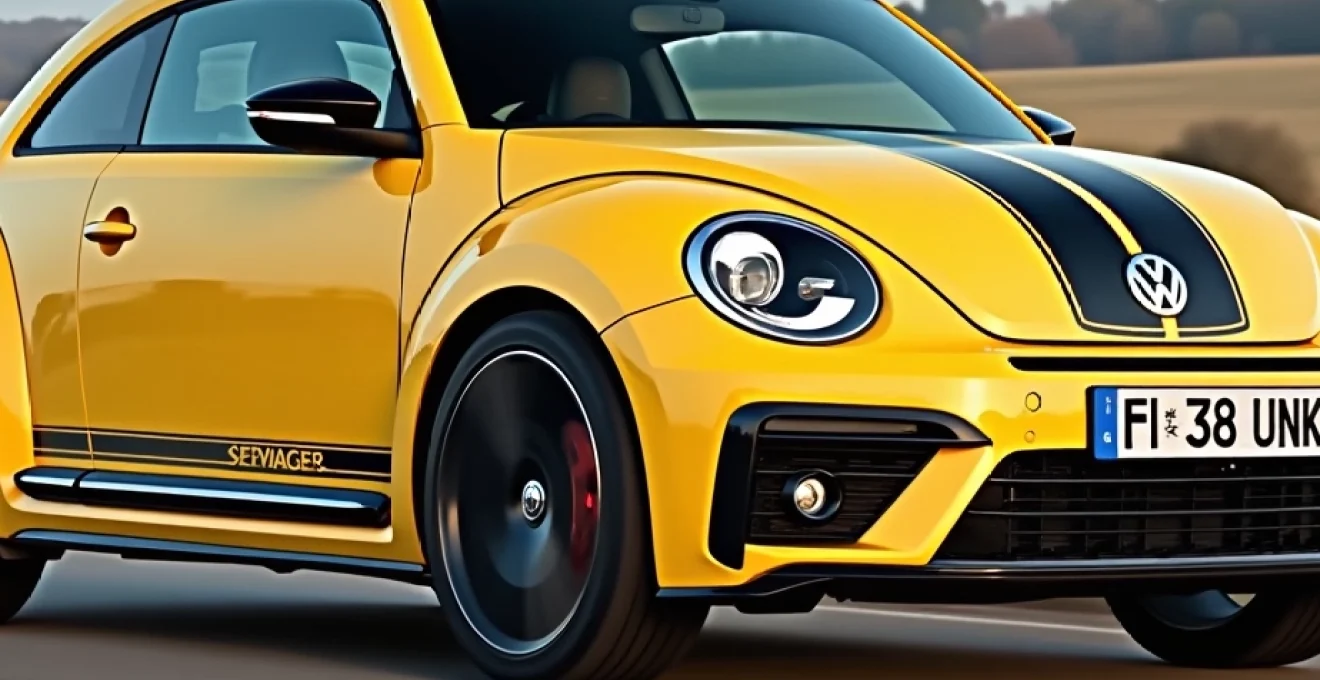
The Volkswagen Beetle GSR represents one of the most distinctive and collectible iterations of the modern Beetle lineage. Originally conceived as a homage to the 1973 Gelb-Schwarzer Renner (Yellow-Black Racer), this limited-edition model combines nostalgic design elements with contemporary performance engineering. With only 3,500 units produced globally and merely 100 allocated to the UK market, the GSR stands as a testament to Volkswagen’s ability to blend heritage with modern automotive excellence.
This special edition emerged during a pivotal period for the Beetle brand, when Volkswagen sought to reinvigorate interest in their iconic model through performance-oriented variants. The GSR package transforms the standard Beetle into a more aggressive, track-focused machine whilst maintaining the practicality expected from a daily driver. Understanding the intricacies of this model becomes essential for potential buyers navigating the increasingly complex classic and modern classic car market.
Volkswagen beetle turbo GSR technical specifications and performance analysis
The technical foundation of the Beetle GSR centres around sophisticated engineering solutions that elevate it significantly above standard Beetle variants. The comprehensive specification sheet reveals a vehicle designed for both performance enthusiasts and daily driving requirements, with particular attention paid to power delivery, handling characteristics, and overall driving dynamics.
2.0-litre TSI turbocharged engine performance metrics
At the heart of the GSR lies Volkswagen’s EA888 2.0-litre TSI turbocharged four-cylinder engine, producing an impressive 207 bhp at 5,100-6,000 rpm and 207 lb-ft of torque available from just 1,700-5,000 rpm. This powerplant represents a significant evolution from earlier naturally aspirated engines, delivering approximately four times the power output of the original 1973 GSR’s 1.3-litre unit. The engine incorporates direct injection technology, variable valve timing, and an intercooled turbocharging system that ensures consistent performance across various operating conditions.
Performance figures demonstrate the effectiveness of this powertrain configuration. The GSR achieves 0-62 mph acceleration in 7.3 seconds with the manual transmission, whilst the DSG-equipped variant completes the same benchmark in 6.6 seconds. Top speed reaches 142 mph, making it substantially quicker than standard Beetle variants. Fuel economy remains competitive at 38.7 mpg combined, with CO2 emissions of 169 g/km, demonstrating that performance enhancement doesn’t necessarily compromise efficiency.
DSG Dual-Clutch transmission characteristics
The optional DSG dual-clutch transmission represents one of the most sophisticated gearbox technologies available in the compact sports car segment. This six-speed unit offers lightning-fast gear changes that enhance both performance and driving enjoyment. Unlike traditional automatic transmissions , the DSG system pre-selects gears using two separate clutch assemblies, eliminating power interruption during shifts and providing seamless acceleration.
The transmission features multiple driving modes, including a fully automatic setting for comfortable daily driving and a manual mode that allows driver control via steering wheel-mounted paddle shifters. Launch control functionality enables optimal acceleration from standstill, whilst the system’s ability to hold gears during spirited driving ensures the engine remains within its optimal power band. However, the DSG unit requires specific maintenance protocols that potential buyers must understand to ensure longevity.
Sport-tuned suspension setup and handling dynamics
The GSR’s suspension system receives comprehensive upgrades over standard Beetle variants, incorporating sport-tuned springs, dampers, and stabiliser bars that transform the vehicle’s dynamic characteristics. The front suspension utilises an independent MacPherson strut configuration, whilst the rear employs a sophisticated multi-link independent arrangement. Both systems feature revised geometry and spring rates that reduce body roll whilst maintaining acceptable ride comfort for daily use.
Fitted with 235/40R19 tyres mounted on distinctive 19-inch Tornado alloy wheels, the GSR demonstrates exceptional grip levels and precise steering response. The sport suspension reduces ride height compared to standard models, lowering the centre of gravity and improving aerodynamic efficiency. This combination of modifications results in handling characteristics that rival dedicated sports cars whilst preserving the Beetle’s inherent stability and predictability.
Braking system specifications and stopping performance
Upgraded braking components ensure the GSR can effectively manage its enhanced performance capabilities. The front braking system features larger 312mm ventilated discs clamped by distinctive red-painted callipers, providing improved heat dissipation and fade resistance during enthusiastic driving. Rear brakes utilise 272mm solid discs that complement the front system effectively.
Electronic braking aids include ABS, Electronic Brakeforce Distribution (EBD), and Brake Assist systems that optimise stopping performance under various conditions. The brake pedal offers good feel and progression, though some owners report that extended high-performance use can lead to brake fade. Regular inspection of brake fluid condition and pad wear becomes particularly important given the vehicle’s performance orientation.
GSR limited edition features and distinguishing elements
The GSR’s appeal extends far beyond its mechanical specifications, encompassing a comprehensive package of visual and functional enhancements that distinguish it from standard Beetle variants. These modifications create a cohesive design language that pays homage to the original 1973 model whilst incorporating contemporary styling cues and premium materials throughout.
Exclusive yellow and black exterior paint scheme analysis
The most immediately recognisable aspect of the GSR involves its distinctive yellow and black colour scheme, officially designated as “Bumblebee” in Volkswagen’s nomenclature. The bright yellow base paint receives contrasting black accents on the roof, rear spoiler, door mirror caps, and lower body trim. This colour combination directly references the original 1973 GSR, though modern paint technology provides superior durability and colour retention compared to earlier formulations.
Paint quality demonstrates Volkswagen’s commitment to premium finishes, with multiple base coats and clear coat layers providing depth and protection. However, the bright yellow pigment can show wear more readily than darker colours, making careful inspection of paint condition crucial during pre-purchase evaluation. Alternative colour combinations were offered in some markets, including grey and black schemes, though these remain significantly less common than the traditional yellow variant.
19-inch tornado alloy wheels and tyre configuration
The GSR’s 19-inch Tornado alloy wheels represent a significant upgrade over standard Beetle fitments, both aesthetically and functionally. These lightweight alloy wheels feature a distinctive multi-spoke design that enhances brake cooling whilst reducing unsprung weight. The wheels mount 235/40R19 performance tyres that provide optimal contact patch and sidewall stiffness for improved handling characteristics.
Wheel finish quality typically remains excellent throughout the vehicle’s lifespan, though kerb damage and corrosion can affect appearance and value. The large wheel diameter does increase susceptibility to pothole damage, making careful inspection of wheel condition essential. Replacement costs for both wheels and tyres exceed those of standard variants, representing an important consideration for ongoing ownership expenses.
Interior trim packages and recaro sport seats
Interior enhancements transform the GSR’s cabin into a performance-oriented environment whilst maintaining comfort and practicality. The black leather upholstery features contrasting yellow stitching that echoes the exterior colour scheme, creating visual continuity throughout the vehicle. Sport seats provide enhanced lateral support during spirited driving whilst remaining comfortable for extended journeys.
Additional interior modifications include carbon fibre-effect dashboard trim, aluminium pedals, and GSR-specific floor mats. The flat-bottomed steering wheel incorporates perforated leather sections and contrasting stitching, whilst the gear knob receives similar treatment. Three additional gauges mounted atop the dashboard monitor oil temperature, coolant temperature, and electrical system status, providing essential information for performance driving scenarios.
Production numbers and chassis identification methods
Understanding GSR production numbers becomes crucial for authentication and valuation purposes. Volkswagen manufactured exactly 3,500 units globally, with regional distribution varying significantly. The UK received 100 examples, making it one of the rarest modern Beetle variants in the British market. Each vehicle features a numbered plaque located within the interior, typically positioned on the dashboard or centre console.
Chassis number identification provides definitive authentication, with GSR models carrying specific codes within their VIN sequences. Documentation should include the original purchase invoice, service records, and any certificates of authenticity provided by Volkswagen. Given the model’s rarity and increasing collectibility, verification of genuine GSR status becomes essential to avoid costly mistakes during purchase.
Market valuation and price analysis for beetle turbo GSR models
The GSR’s market position reflects its status as both a performance vehicle and collectible modern classic. Original retail pricing positioned the model at approximately £24,900 for manual transmission variants, with DSG-equipped examples commanding a £1,500 premium. Current market values demonstrate significant variation based on condition, mileage, specification, and documentation completeness.
Excellent condition, low-mileage examples with comprehensive service histories now command prices ranging from £18,000 to £25,000, depending on specific circumstances. Higher-mileage vehicles or those requiring maintenance attention typically trade between £12,000 and £18,000. The manual transmission variants often command slight premiums over DSG models, contrary to typical market preferences, due to enthusiast appreciation for traditional gear changing experience.
Regional variations significantly affect pricing, with UK market examples typically commanding higher values than continental European counterparts due to right-hand drive configuration and relative rarity. Investment potential appears strong given the limited production numbers and Volkswagen’s decision to discontinue Beetle production entirely, making the GSR one of the final performance-oriented examples of this iconic model.
Market analysts predict continued appreciation for well-maintained GSR examples, particularly those with complete documentation and low ownership histories.
Factors influencing value include exterior colour combination, with traditional yellow/black schemes commanding premiums over alternative finishes. Interior condition proves particularly important given the specialised materials and trim elements that may prove difficult or expensive to restore. Mechanical condition and service history documentation significantly impact valuation, as performance modifications or neglected maintenance can substantially reduce market appeal.
Common technical issues and maintenance considerations
Ownership of a GSR requires understanding of specific maintenance requirements and potential technical challenges associated with its performance-oriented design. While generally reliable, certain components demand particular attention to ensure optimal performance and longevity. Regular maintenance becomes especially crucial given the turbocharged engine’s increased complexity compared to naturally aspirated alternatives.
Carbon build-up in direct injection TSI engines
The EA888 TSI engine’s direct injection system, whilst providing excellent performance and efficiency, creates conditions conducive to carbon build-up on intake valves. Unlike port-injected engines where fuel naturally cleans valve surfaces, direct injection systems inject fuel directly into combustion chambers, leaving intake valves without this cleaning action. Symptoms of carbon accumulation include rough idling, reduced power output, and increased fuel consumption.
Prevention involves regular use of quality fuel additives designed for direct injection engines, though complete elimination of carbon build-up remains impossible. Professional cleaning services typically recommend intake valve cleaning every 40,000-60,000 miles, with costs ranging from £300-£600 depending on service complexity. Neglecting this maintenance can lead to more serious engine problems and significantly higher repair costs.
DSG transmission service requirements and intervals
The DSG transmission requires specific maintenance protocols that differ significantly from conventional automatic gearboxes. Transmission fluid and filter changes must occur every 40,000 miles using Volkswagen-approved fluids and genuine components. The complex dual-clutch system also requires periodic clutch adaptation procedures that ensure optimal shift quality and component longevity.
DSG service costs typically range from £300-£500 at specialist facilities, though main dealer prices often exceed £600. Failure to maintain proper service intervals can result in clutch pack failure, transmission control unit problems, or complete transmission replacement requirements. Early warning signs include rough shifting, delayed engagement, or transmission warning lights, all of which require immediate professional attention.
Turbocharger longevity and replacement costs
The GSR’s turbocharger generally demonstrates good reliability when properly maintained, though certain operating practices significantly affect lifespan. Allowing adequate warm-up and cool-down periods proves essential, particularly after high-performance driving sessions. Using correct specification engine oil and maintaining proper service intervals becomes crucial for bearing lubrication and heat dissipation.
Turbocharger replacement costs range from £1,500-£3,000 including labour, depending on component sourcing and labour rates. Common failure modes include bearing wear, compressor wheel damage, and wastegate actuator problems. Regular inspection of boost hoses, intercooler connections, and exhaust system integrity helps prevent secondary damage that could affect turbocharger operation.
Inspection checklist for Pre-Purchase evaluation
Thorough pre-purchase inspection becomes essential when evaluating any GSR, given the model’s performance orientation and increasing collectible status. Systematic evaluation of mechanical, cosmetic, and documentation aspects provides the foundation for informed purchase decisions. Professional inspection services may prove worthwhile for high-value examples or when buyer expertise proves limited.
Engine bay inspection should focus on oil leak evidence, particularly around the cylinder head gasket, valve cover, and turbocharger oil supply lines. Listen for unusual noises during idle and acceleration, checking for smooth throttle response and proper boost pressure development. Exhaust smoke during startup or acceleration may indicate turbocharger or engine wear requiring expensive repairs.
- Verify authentic GSR identification through chassis numbers and interior plaques
- Inspect paint condition for fade, stone chips, or repair evidence
- Check wheel condition for kerb damage or corrosion issues
- Test all electrical systems including performance gauges and infotainment
- Evaluate interior wear patterns, particularly on sport seats and trim pieces
Transmission evaluation requires testing both manual and automatic modes if DSG-equipped, checking for smooth shifts and proper clutch engagement. Suspension components should be inspected for wear or damage, particularly spring seats, damper mounts, and anti-roll bar bushes. Brake system inspection must include disc condition, pad thickness, and fluid condition assessment.
Documentation verification proves crucial for GSR authentication, including service records, ownership history, and any modification evidence that might affect value or reliability.
Investment potential and future collectibility assessment
The GSR’s investment credentials continue strengthening as production of the Beetle line concludes entirely, making it among the final performance variants of this iconic model. Limited production numbers, distinctive specification, and historical significance create conditions typically associated with appreciating classic vehicles. However, investment success depends heavily on condition maintenance, documentation preservation, and market timing considerations.
Current market trends suggest steady appreciation for well-maintained examples, with particular strength in traditionally desirable specifications such as manual transmission variants in original yellow/black livery. The model’s position as a bridge between classic and modern automotive eras appeals to diverse collector demographics, from air-cooled Beetle enthusiasts to modern performance car collectors.
Long-term collectibility prospects appear strong given Volkswagen’s heritage significance and the GSR’s role as a final homage to the original Beetle philosophy. Preservation of originality becomes crucial for maximum appreciation potential, as modifications or poor maintenance can significantly impact future values. Storage conditions, usage patterns, and maintenance quality will largely determine which examples achieve classic status versus those that remain merely used performance cars.
Geographic factors influence investment potential, with markets showing limited GSR availability demonstrating stronger price appreciation than regions with higher concentrations. The UK’s allocation of merely 100 examples positions the model favourably for continued value growth, particularly as Brexit-related import complications may limit cross-border availability. Collectors seeking entry into the modern classic market will find the GSR offers an attractive combination of usability, performance, and appreciation potential that few contemporary alternatives can match.